
The Plants We Carry With Us
INTERVIEW WITH JAC SEMMLER FOR THE SOCIAL LIFE OF PLANTS
For Jac Semmler, plants have never just been plants. Throughout a life spent growing, cultivating and designing with them, it is the connections they foster, between people, places and memories, that have proven most enduring. While their beauty and resilience continue to inspire, it is the way plants weave themselves into our relationships, memories and communities that holds the greatest fascination.’There's always a moment of wonder when it comes to plants,’ Jac says.
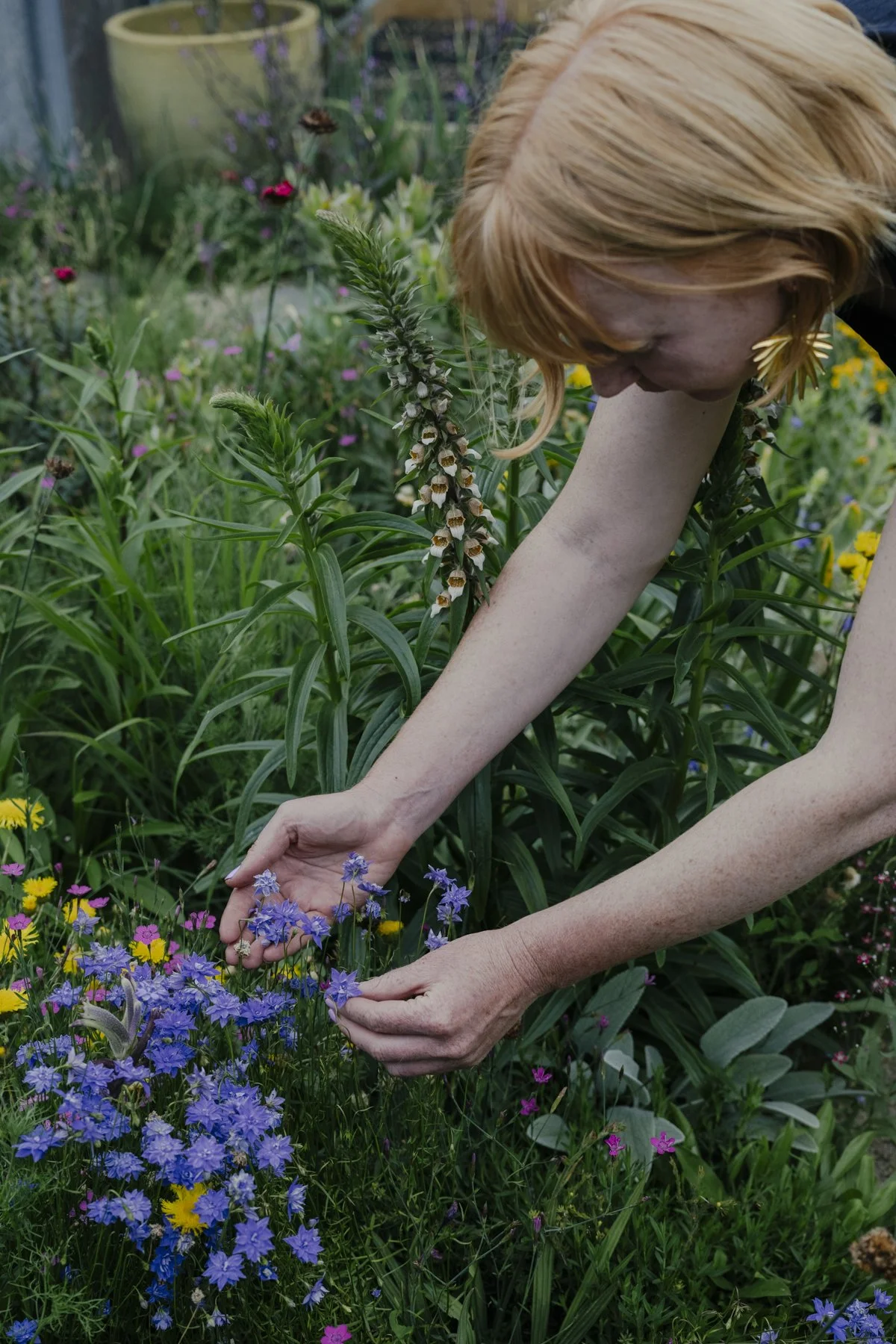
Photography by Sarah Pannell
Growing up on a farm in Central Victoria, Jac spent countless hours visiting gardens with her grandmother and aunties. Plants were woven into everyday life, not as possessions but as things to be shared. Seeds, cuttings and produce moved freely between gardens, neighbours and families. Her grandmother, a hardworking German-Lutheran farmer, was renowned for growing exceptionally sweet sugar snap peas. ‘She had a knack for breeding and growing the most incredible peas,’ Jac recalls. Recently, while sorting through her treasured seed chest, Jac rediscovered seeds carefully saved and passed on by her Grandma Semmler. Jac’s partner was preparing a new vegetable patch at Heartland and suddenly those seeds represented something much larger than a crop.’It was incredible to see the continuation of her craft.’ The peas were no longer simply peas, expanding to represent memories and lineage, and forming a connection stretching across generations.
Perhaps this is why plants hold such a unique place in our lives.
Unlike photographs or keepsakes, plants are living things. They grow, evolve, reproduce and move through communities. They carry stories with them.
For Jac, many of the most meaningful plants in her garden are inseparable from the people who shared them. One of her most treasured collections is a stand of dark purple Royal Prince iris bulbs gifted by her aunt and godmother, Gladys. ‘She was the ultimate fairy godmother of plants and gardening when I was growing up,’ Jac says. ‘I used to chase her skirts around her amazing rural garden.’ Those irises now bloom in Jac's own garden. Over the years, she has divided and shared them with close friends, continuing the cycle of generosity that first brought them into her life.
‘As we get older, it's amazing to have her in my heart but also in my garden.’
It is a sentiment many gardeners understand instinctively. A plant is rarely just a plant, it can grow to become a reminder of a person, a place or a moment in time. Jac believes this is because our experiences with plants are deeply sensory. Unlike so much of modern life, they are grounded in the physical world.
The smell of eucalyptus after rain. The texture of a leaf between fingers. The crunch of autumn leaves beneath feet.
‘These are real-life, tangible experiences,’ she says. ‘They're not digital.’ The memories they create become embedded in us.
‘There are very few people we meet who don't have some connection to plants in some way."
Plants also have a remarkable ability to create new connections.
"Plants have this permissive quality that allows human connection," Jac says.
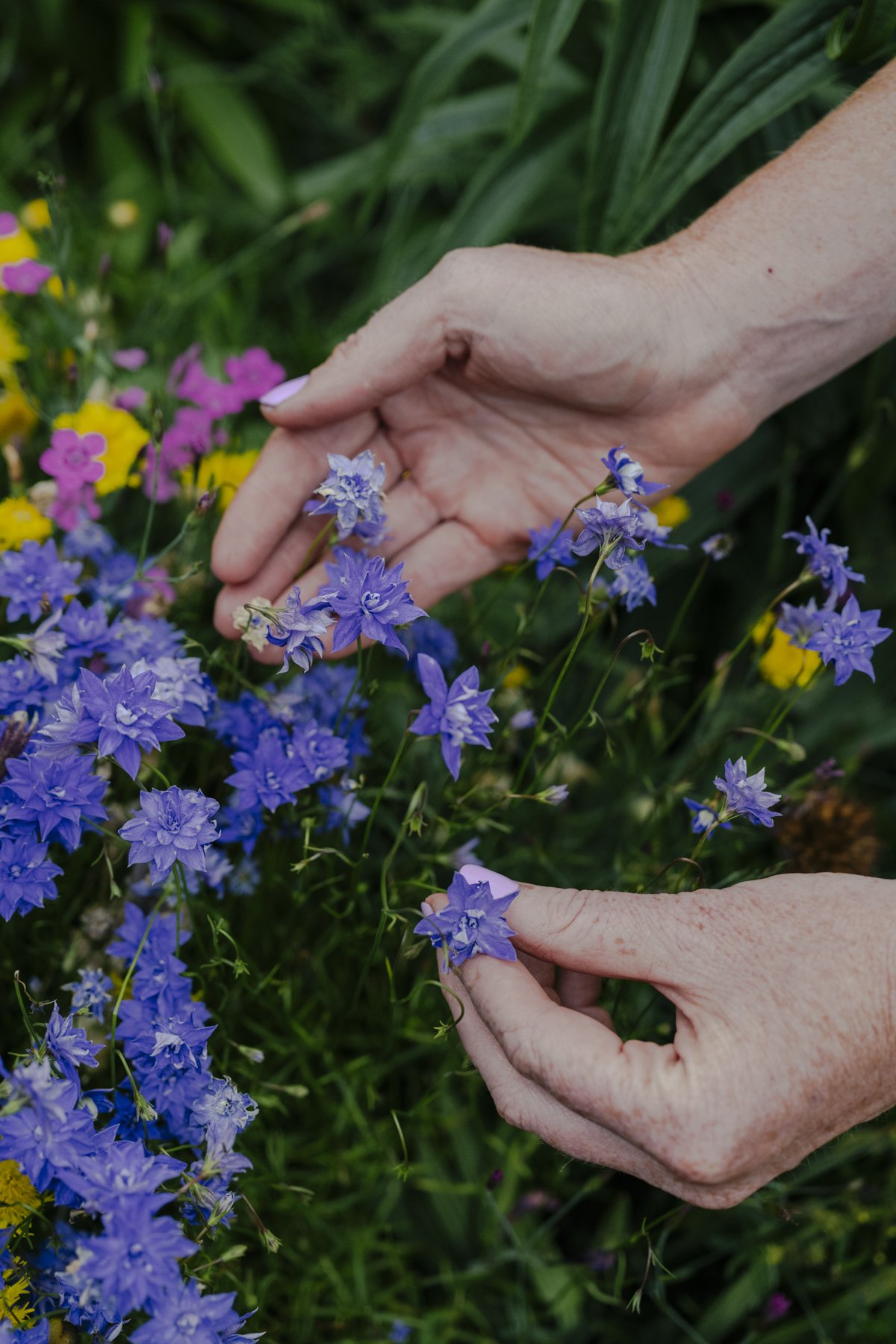
Photography by Sarah Pannell
In a world that often feels fast, digital and fragmented, plants invite us to slow down and engage with something real, encouraging curiosity and drawing our attention outward.
Sometimes, plants even have the power to create communities. For Jac, one of the most beautiful examples of this is the culture of sharing that exists among plant people. She speaks fondly of receiving Blue Oat Grass (Helictotrichon sempervirens) from Tasmanian plantswoman Sally Johannsen.
‘When I think of that plant, I'm not just thinking about the plant. I'm thinking about her and the time we spent walking around her garden.’ The memory of this moment radiates outward from the plant itself.
This generosity sits at the heart of gardening whether it be a cutting divided and passed on, a handful of seeds shared with a friend or a plant gifted for someone else to love.
‘There is this wonderful sense of abundance,’ Jac says.
Perhaps that abundance is what makes the social life of plants so special.
Plants connect us not only to nature, but to one another, carrying memories across generations and helping us to remember people we love. They create opportunities for conversation, sharing and care.
For Jac, that may be one of their greatest gifts that plants don’t simply grow but that, through them, relationships continue to grow too. The social life of plants is ultimately a story about people, and the many ways they continue to bloom within us long after they have gone. What plants have been meaningful to you in your life?