GROUNDWORK Ed.08
REFLECTIONS FROM
THE REGENERATIVE DESIGN SYMPOSIUM
Recently, Super Bloom participated in the Australian Institute of Architects’ Regenerative Design Symposium, a thoughtfully curated gathering that brought together practitioners from across architecture, landscape architecture, horticulture, ecology and design.
The breadth of expertise represented was one of the symposium's greatest strengths, reflecting an important reality: regenerative outcomes emerge through collaboration across disciplines.
The symposium also highlighted a shift occurring across the built environment. While sustainability has traditionally focused on reducing harm, regenerative design asks how projects can actively contribute to ecological, social and cultural systems over time. Rather than minimising impact, the ambition is to create net positive outcomes.
From a planting perspective, this raises an important question: what role can plants play in regenerative design?
Often, planting is viewed primarily through an environmental lens. Biodiversity and habitat creationare all critical outcomes. However, regenerative planting must also consider social and cultural value. Plants influence how people experience a place, contribute to identity and belonging, and create opportunities for connection with nature and one another.
For those delivering projects, there are several practical opportunities to strengthen regenerative outcomes when it comes to the processes and pragmatics of planting.
1. Engage Plant Expertise Early
One of the most effective ways to improve regenerative outcomes is to engage plant practitioners early in the design process.
Early collaboration creates greater opportunity to design with living systems in mind. It also allows planting decisions to be considered alongside the long-term management and evolution of a landscape, rather than simply its initial installation.
Too often, planting is considered late in project delivery, limiting opportunities to influence site planning, built form interfaces, soil systems and long-term management strategies. The potential of what is possible with planting is greatest within the ealry developement of project concepts.
2. Protect Landscape Outcomes During Delivery
Many projects begin with ambitious landscape aspirations, only to see planting areas, soil volumes and species diversity reduced through value management processes.
These decisions often undermine the very outcomes that regenerative design seeks to achieve.
If planting is expected to contribute to ecological performance, social wellbeing and place identity, it must be treated as essential project infrastructure rather than an aesthetic layer that can be reduced late in delivery. Develop shared strategies across projects and teams to ensure planting is ringfenced from value management at the initiation of projects.
Protecting landscape outcomes throughout a project's lifecycle is critical to achieving meaningful long-term benefits and the project's original intention .
3. Rethink Plant Procurement
Plant procurement is often overlooked within regenerative design discussions, yet it presents significant opportunities for improved environmental outcomes. .
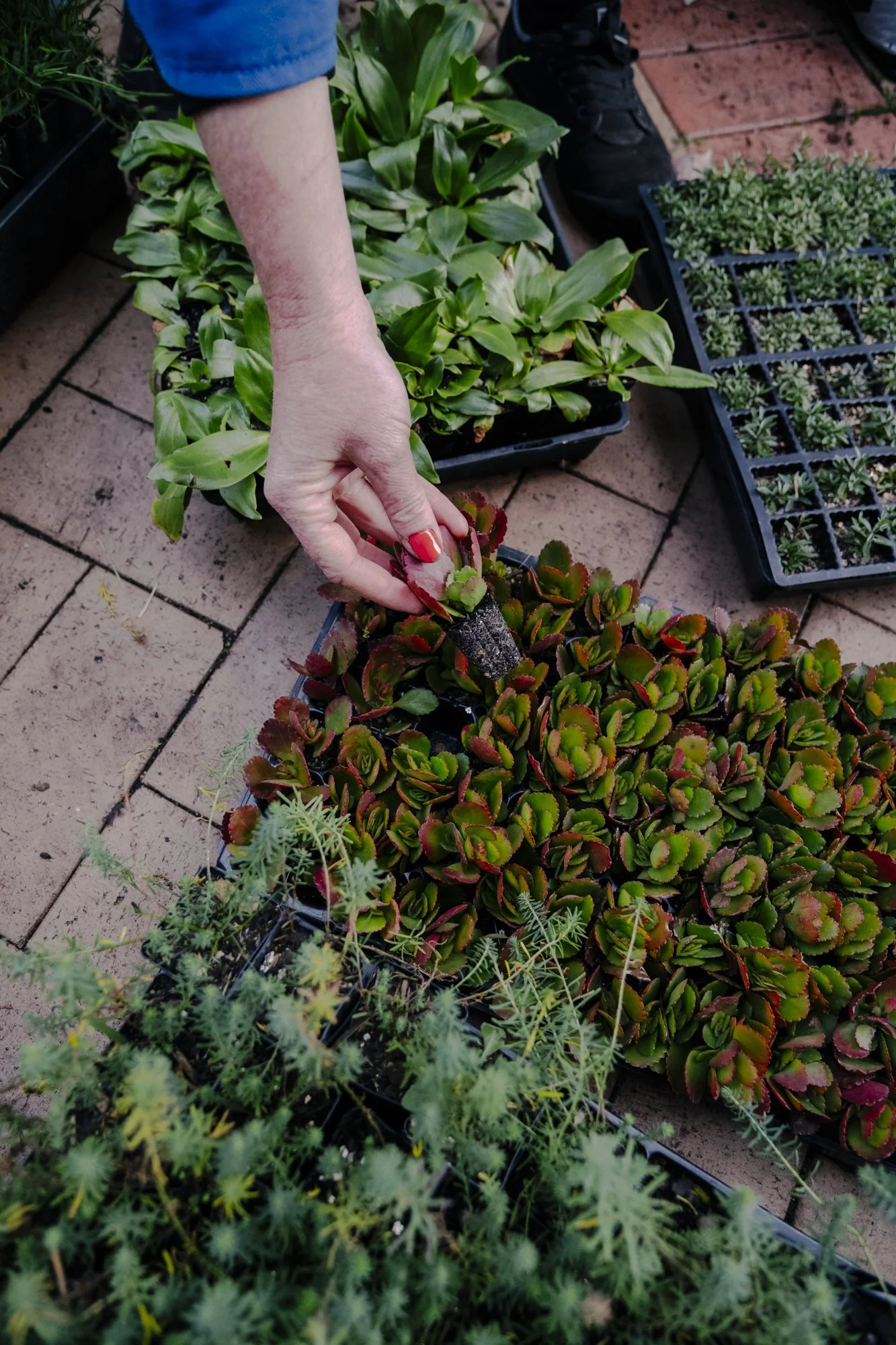
Engaging with growers and plant procurement specialists early provides longer lead times allowing plant material to be grown specifically for projects and reduce pressure on sourcing specific plants. Smaller plant sizes can also provide meaningful benefits. Smaller plants typically spend less time in artificial production environments, require fewer inputs and reduce transport impacts associated with freight due to reduced delivery sizes.
Equally important is the opportunity to support a diverse nursery industry. Procuring from smaller and specialist growers contributes to industry capacity building, supports local knowledge and creates a more resilient horticultural sector.
Procurement decisions have environmental, social and economic impacts, making them an important part of regenerative thinking.
4. Recognise the Role of the Gardener
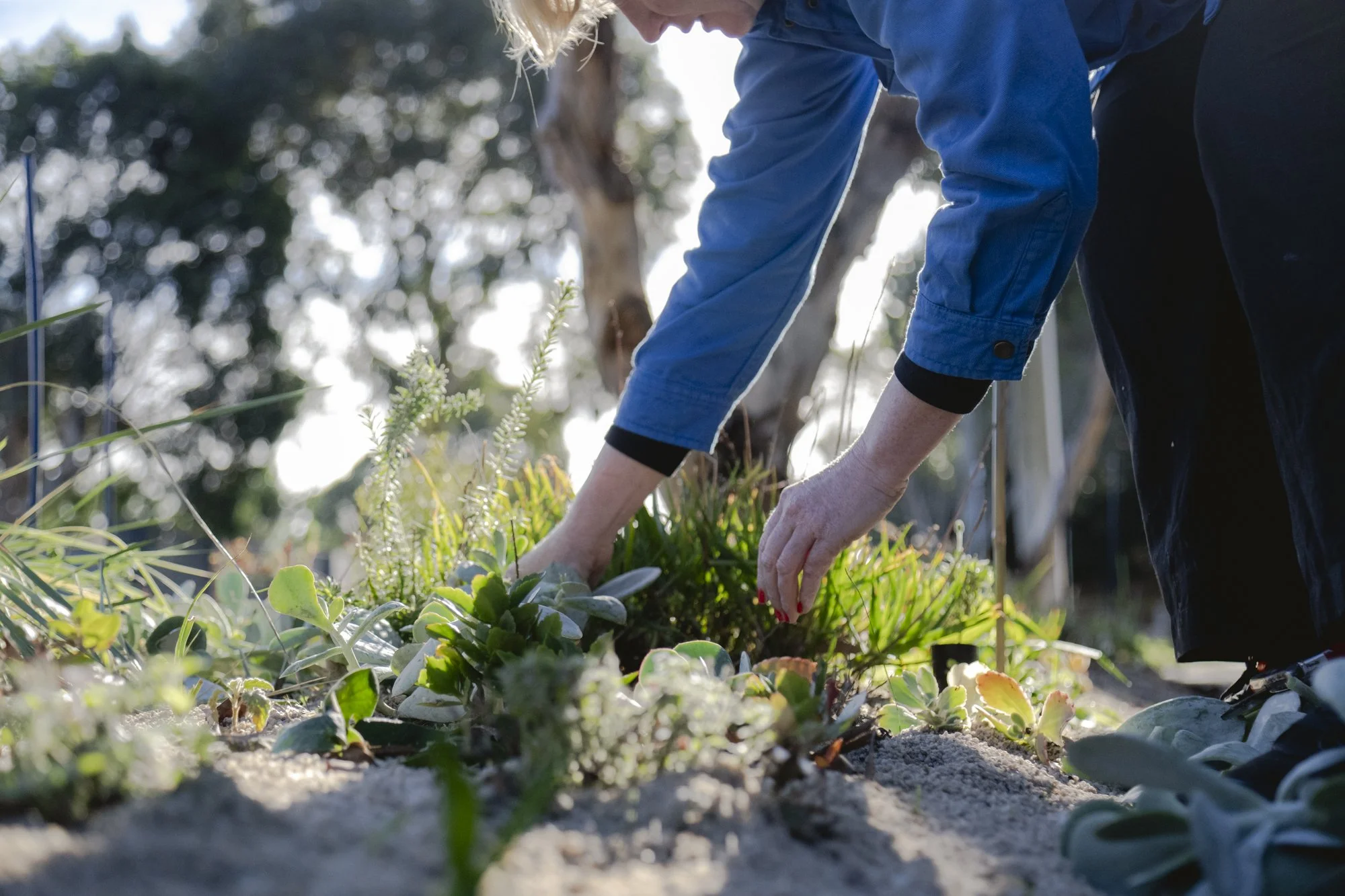
One of the most overlooked contributors to regenerative outcomes is the gardener.
Planting does not become regenerative simply because it has been installed. Landscapes are living systems that require observation, adaptation and care over time.
Professional gardeners and practitioners are the people who know a site most intimately. They observe seasonal change, respond to emerging challenges and help guide landscapes through their ongoing evolution.
Their contribution extends beyond plant health. Well-managaed and considered landscapes support community connection, encourage people to spend time outdoors, foster a sense of care and can contribute to feelings of safety and belonging.
If regenerative design is concerned with long-term outcomes, then gardeners should be considered essential participants in the process rather than an afterthought once construction is complete.
5. Design for Change
Unlike buildings, planting is never static.
It grows, adapts, responds and changes over time. As a result, regenerative planting requires a shift away from thinking in terms of project completion and towards long-term stewardship.
Design and management should be considered together. The ecological, social and cultural benefits of planting emerge through ongoing cycles of growth, management and adaptation.
This requires a longer-term perspective from clients, designers and project teams alike.
Looking Beyond Green Infrastructure
Plants are increasingly recognised as critical infrastructure within cities, yet their value extends beyond environmental performance alone.
Regenerative planting has the potential to support biodiversity, improve climate resilience and strengthen ecological systems. At the same time, it can foster community connection, create a sense of place and contribute to cultural identity.
The opportunity for our industry is to recognise planting not as a finishing layer, but as a living system that contributes to the long-term health of both ecosystems and communities.
Achieving this requires earlier collaboration, better procurement planning, ongoing stewardship and a commitment to designing for change. These are practical steps that can move projects beyond sustainability and towards genuinely regenerative outcomes.