GROUNDWORK Ed.06
PLANTING AS CULTURAL PRACTICE
Gardens are often understood as decorative spaces, places of beauty, restoration or retreat. Yet increasingly, planting is being recognised as something more expansive: a cultural practice capable of shaping how people gather, move, interact and experience public life.
In this sense, gardens operate not only as landscapes, but as forms of social infrastructure, living systems that support connection, participation and collective experience over time.
Unlike static public artworks or built interventions, gardens remain in continual dialogue with their surroundings. They respond to weather, management, seasonal rhythms and human interaction. They grow, retreat, regenerate and evolve. Their meaning is never entirely fixed. To work with planting is therefore to work with uncertainty, responsiveness and change.
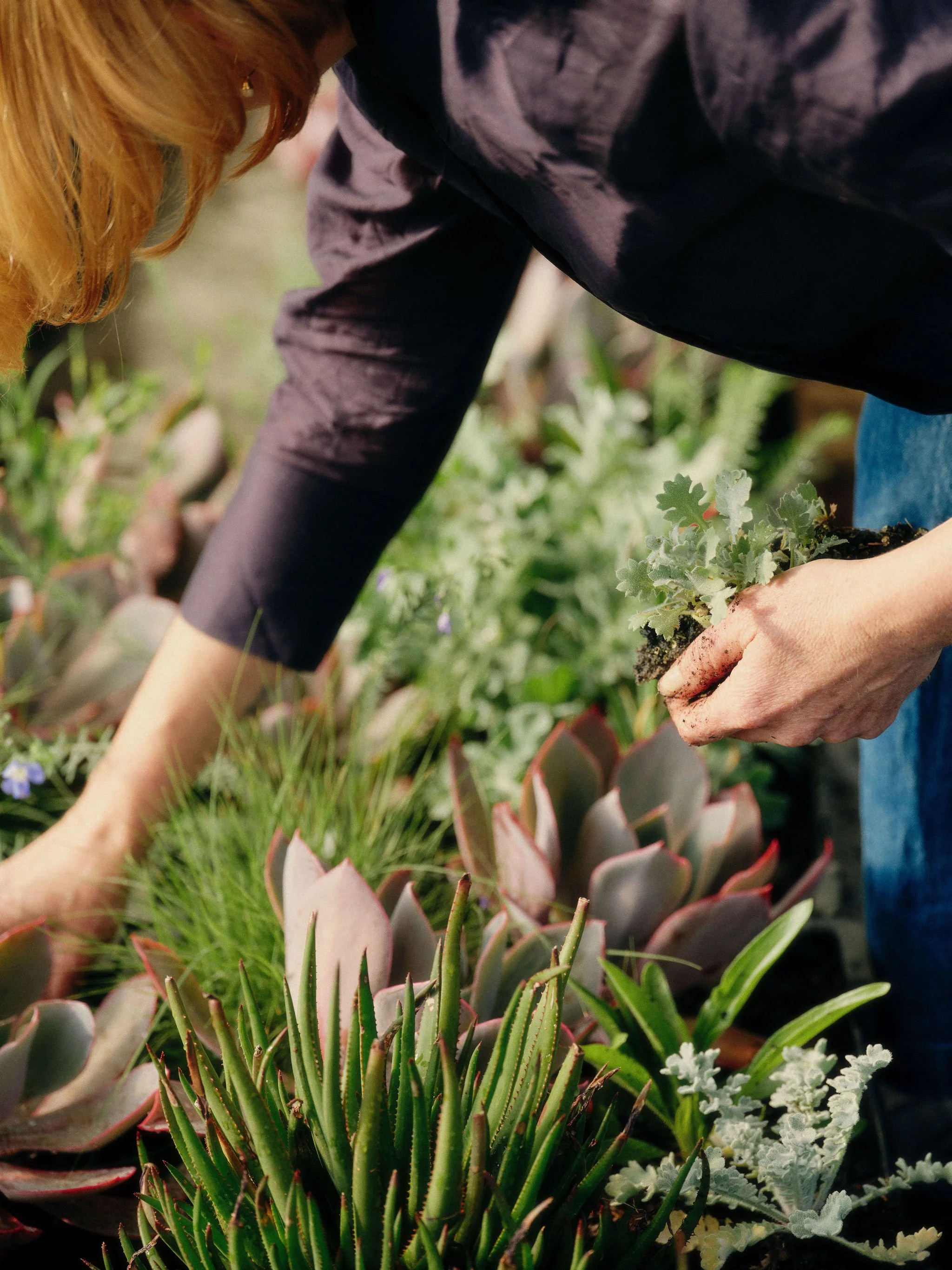
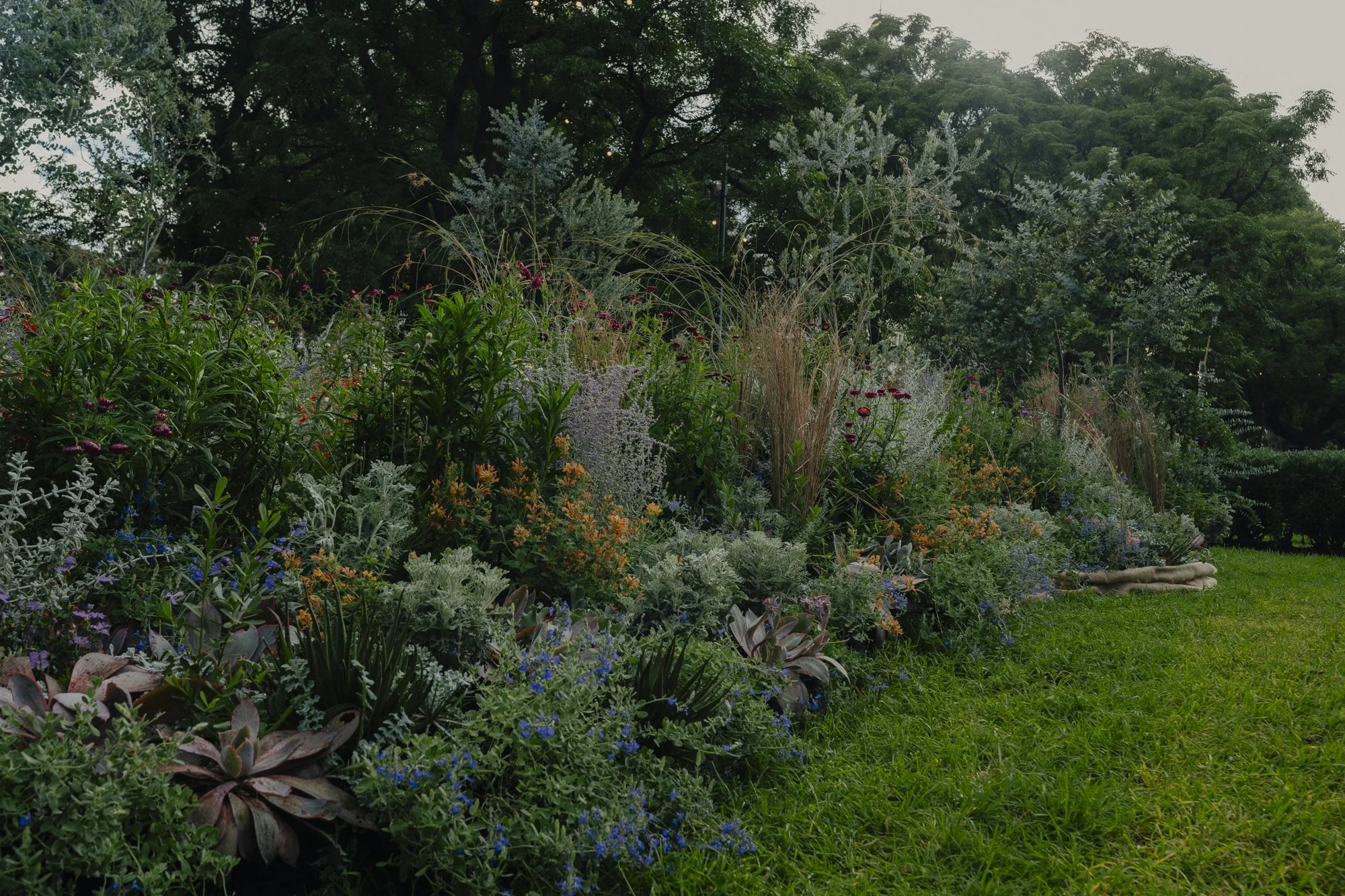
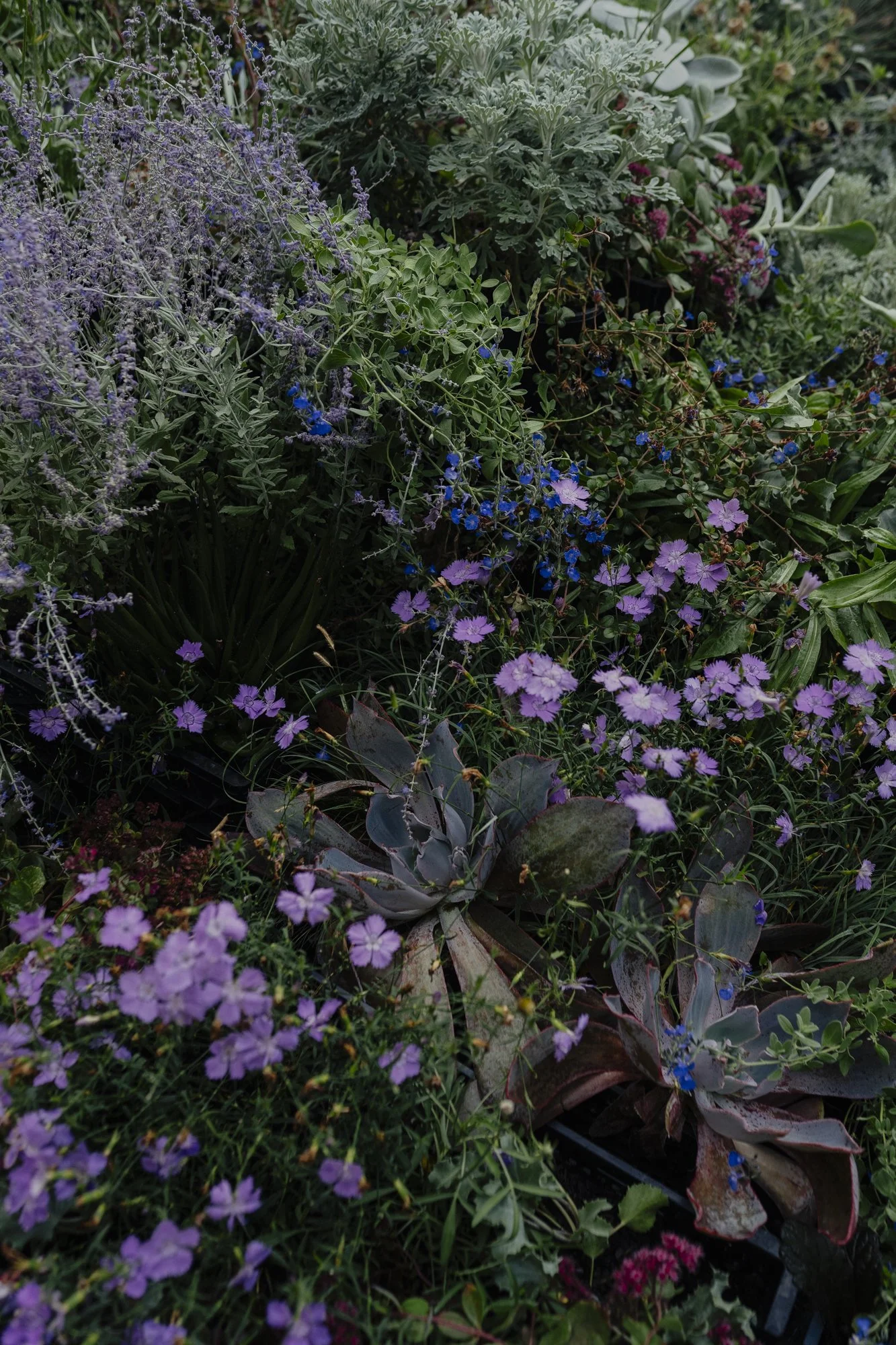
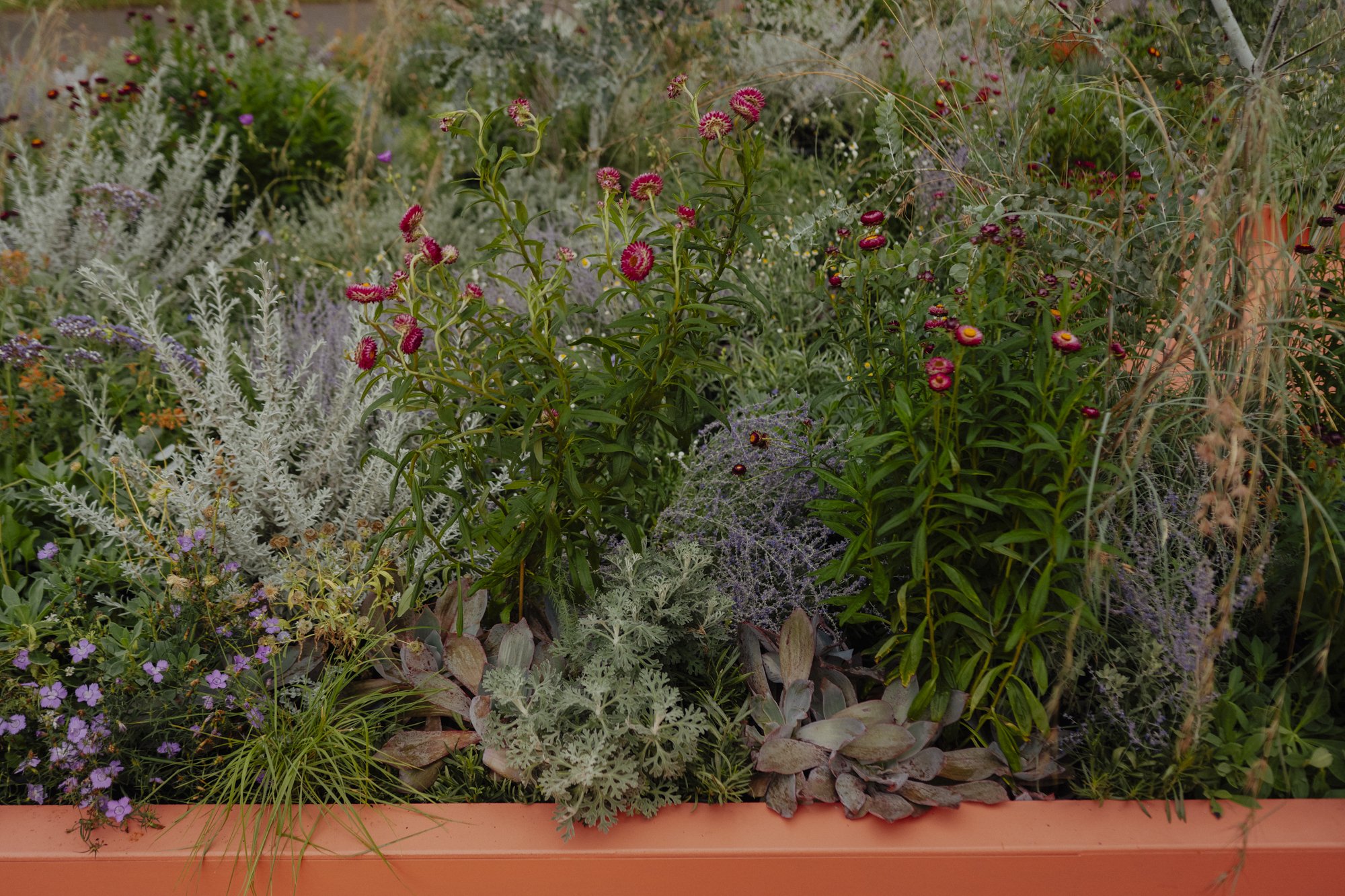
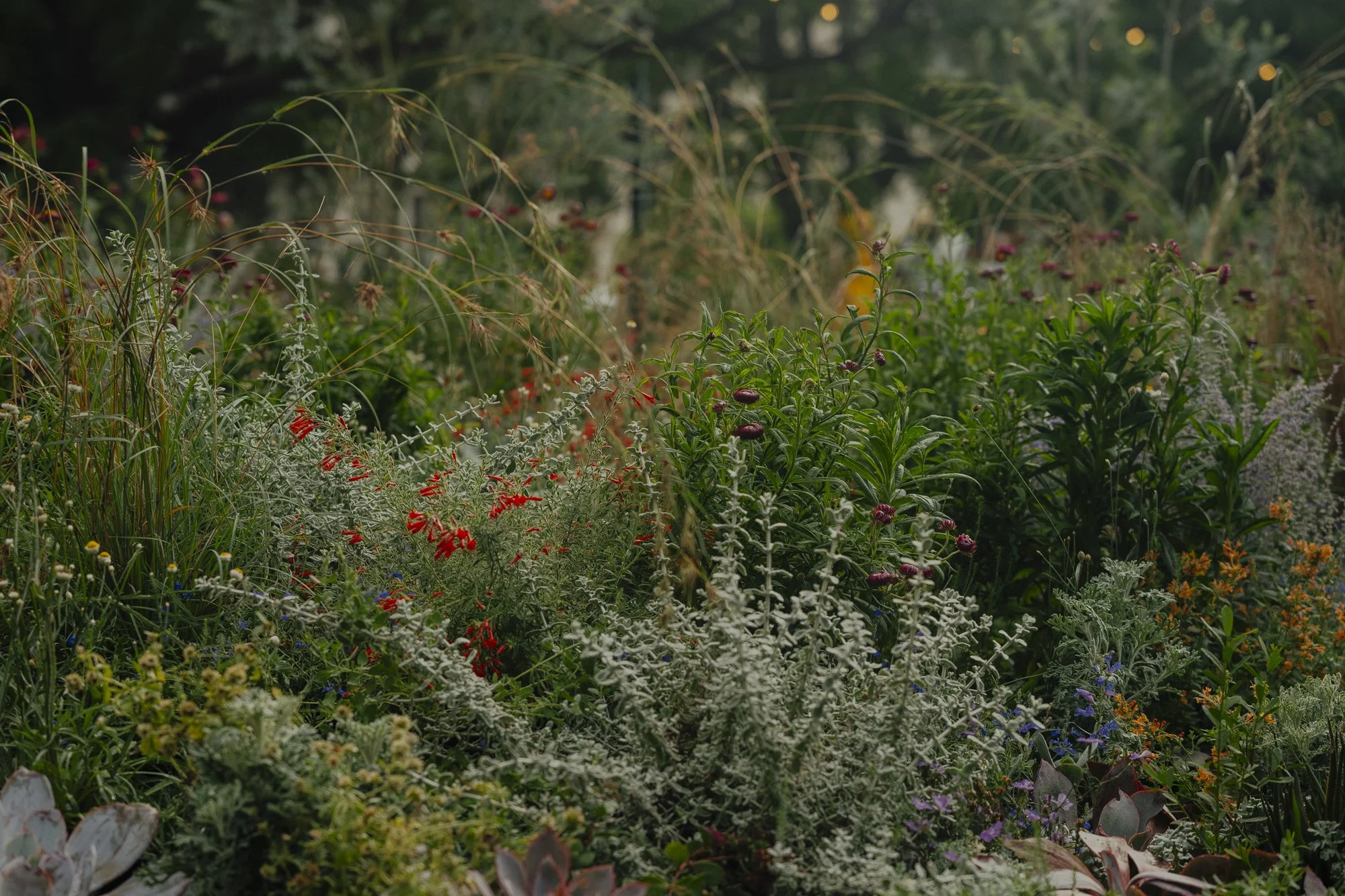
The relocation of the Plant Futures garden from the Melbourne International Flower and Garden Show into a public site in Footscray offers a compelling example of this idea. Originally designed as a temporary exhibition garden, viewed within the curated and time-bound context of a major public event, the project has now entered a second life within the everyday fabric of the city. In doing so, the garden shifts from spectacle to infrastructure; from event-based installation to embedded neighbourhood landscape.
This act of relocation is significant. In many cases, show gardens exist briefly before being dismantled, their materials dispersed once the exhibition period concludes. The transplantation of Plant Futures instead proposes an alternative model, one where gardens are understood as regenerative and ongoing rather than temporary or disposable. The garden’s life does not end with the exhibition. It simply changes context.
There is something inherently hopeful in this approach. Relocation acknowledges that landscapes, much like communities, can continue to evolve through movement and adaptation. The process of transplanting is not seamless or without challenge. Plants must respond to altered light conditions, soils, weather exposure and patterns of use. Some species may settle quickly, while others require time and careful stewardship to establish within unfamiliar surroundings. At this early stage, the garden remains in transition, still acclimatising to its new environment and beginning the slow process of rooting itself into place.
Yet this period of adjustment reveals something essential about working with living systems. Gardens are never entirely complete. They exist in states of becoming, shaped continually by both ecological and social conditions. The relocated Plant Futures garden foregrounds this reality, making visible the resilience, vulnerability and adaptability inherent within planted landscapes.
Importantly, the move into public space fundamentally changes how the garden is encountered. At the Melbourne International Flower and Garden Show, the garden existed within a highly controlled environment. Visitors arrived with intention. Boundaries were clear. The landscape was framed as exhibition, something to be viewed, photographed and experienced.
In Footscray, the garden becomes part of everyday urban life. People encounter it while walking to work, meeting friends, waiting for transport or passing through the neighbourhood. The interactions become less predictable and more varied. Some pause to observe details within the planting; others move quickly past without noticing. People gather beside it, rest near it or interact with it in unintended ways. Public landscapes inevitably absorb the complexity of public life.
There is a certain relinquishing of control within this transition. Once a garden enters public space, it no longer belongs solely to its designers or caretakers. It becomes collectively occupied and interpreted. This openness can be deeply generative, even when it introduces tension or unpredictability. Wear, interaction and informal use become part of the landscape’s ongoing story rather than deviations from it.
Over time, the garden will begin to embed itself within neighbourhood memory and routine. What was once a temporary cultural event may gradually become familiar infrastructure, part of the daily experience of place. This shift is perhaps one of the most meaningful aspects of the project. The garden moves beyond novelty and into relationship.
Planting, in this context, becomes a form of long-term cultural contribution. It shapes atmosphere, supports biodiversity and creates opportunities for encounter within the city. It offers softness within hard urban environments and introduces seasonal change into daily life. As the garden continues to establish, it will carry traces of both its original exhibition context and its new identity as public landscape.
The Plant Futures relocation ultimately asks important questions about permanence, value and care within contemporary cities. What might it mean to design gardens as evolving cultural assets? How can planting support social connection while remaining responsive? And what possibilities emerge when landscapes are allowed to continue living beyond their original frame?
As a transplanted garden entering public life, Plant Futures demonstrates that gardens are not static compositions, but living cultural systems, shaped by time, stewardship and the communities that gather around them.
Read more about Plant Futures.
Photo credit: Phillip Huyhn