GROUNDWORK Ed.09
MORE THAN PLANTING
Seeing plants as relationships with ecological planting designer Darryl Moore.
Darryl Moore is one of the UK's leading voices in ecological planting, recognised for his work transforming urban landscapes into thriving, biodiverse communities through his practice, Cityscapes.
His belief that plants are fundamental social and ecological infrastructure closely aligns with Super Bloom's own approach to designing places that foster connection between people, plants and place. Ahead of this year's Beth Chatto Symposium, where Jac Semmler will join Darryl and fellow practioner Anna Lena Hahn exploring the theme Connections Through Time, we sat down to discuss the relationships that shape resilient landscapes and the communities they support.
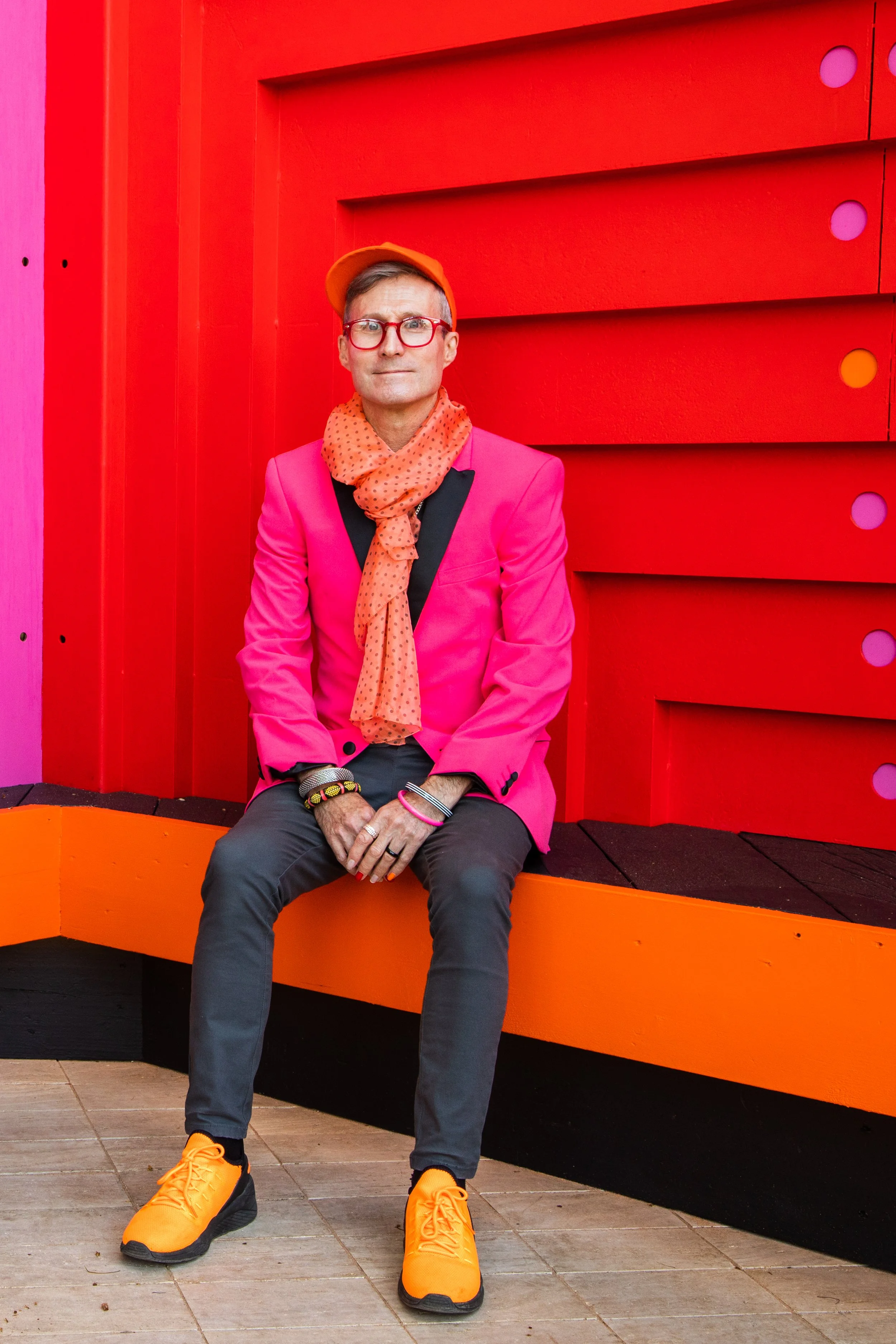
We often speak about plants as collections, compositions or species. Darryl Moore speaks about them as relationships.
Throughout our conversation, plants emerge as participants in living communities: shaping the atmosphere, supporting microbial life, influencing the character of cities and bringing people together. Ecology, in Darryl's telling, is never abstract. It is something we participate in with every breath we take.
What follows is a conversation about ecological planting, public landscapes and the social life of plants, not as metaphor, but as the conditions that allow communities, human and more-than-human alike, to flourish.
When we speak about the relationship between plants and people, where do you think that story begins?
"Plants have been on land for around 420 million years. That's an extraordinary amount of time to adapt to an incredible diversity of environments. We've grown up with plants—we're completely dependent on them. We use them for food, for building, for clothing and, most fundamentally, for oxygen.
Through photosynthesis, plants transformed the atmosphere into one that humans could inhabit. Without plants, we simply wouldn't be here.
As a species, we evolved outdoors. Our evolutionary history unfolded in landscapes, not buildings. Although we've become increasingly urban and increasingly indoor, our bodies and minds are still rooted in that history."
He pauses before recalling a line from filmmaker Agnès Varda that has stayed with him for years.
"She said that if you cut people open, you find landscapes inside. I've always thought that's a beautiful metaphor because our relationship with the natural world is part of our DNA."
For Moore, conversations about reconnection can sometimes miss a more fundamental truth.
"We often say that we've become disconnected from nature. I don't think that's quite right. We're intimately connected whether we recognise it or not. Every breath we take is a connection with plants."
As more than half of the world's population now lives in cities, Moore believes the question is no longer whether urban environments are ecological, but how consciously we choose to shape them.
What role do plants play in the social life of cities?
"Urban areas are becoming denser, and we know that's only going to continue. Climate change will increasingly shape where people can live, so we need to think carefully about what cities are, who they're for and how we design them."
For Moore, plants are fundamental urban infrastructure.
"Cities are dominated by buildings and paving. We need to think about how we can introduce plants into those spaces, not simply because they're beautiful, but because they shape the identity of places.
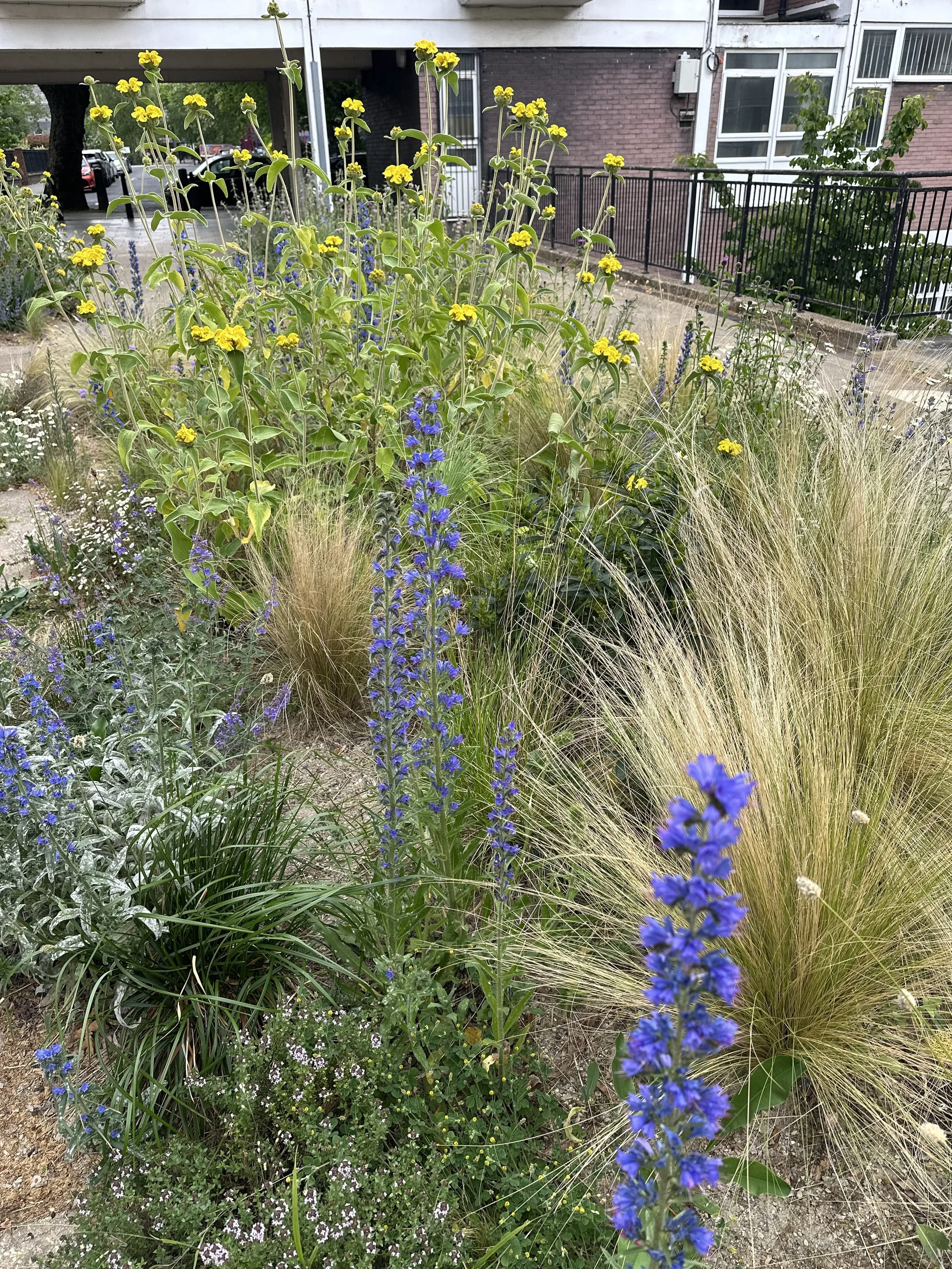
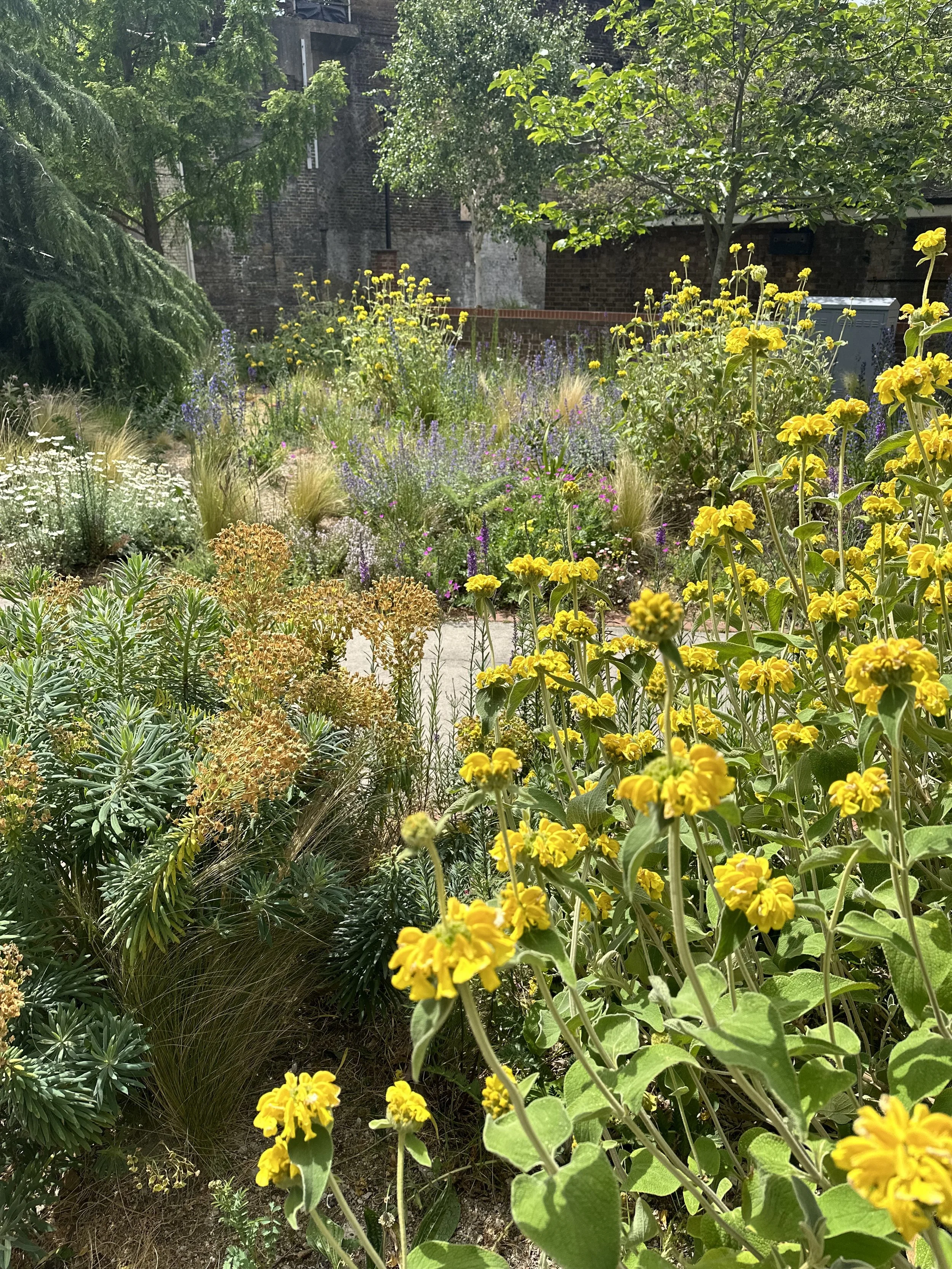
Through our work with Cityscapes, we've used planting to create a local identity across neighbourhoods. Repeating plant communities across different spaces gives people a sense of where they are."
Equally important is the atmosphere these landscapes create.
"When people arrive somewhere and see spaces that are cared for, they feel more relaxed. They feel comfortable. Care becomes something that's visible."
One of the most compelling parts of Moore's practice is his commitment to ecological complexity, not simply as an environmental strategy, but as a social one.
Why do some public landscapes become deeply loved while others remain overlooked?
His first answer is immediate.
"After-care."
Design, he argues, continues long after planting is complete.
"It's essential that landscapes are looked after, particularly in those early years. If plants fail, people feel that nobody cares, that money has been wasted and that their needs haven't been considered."
Beyond management, Moore believes people are naturally drawn to ecological richness.
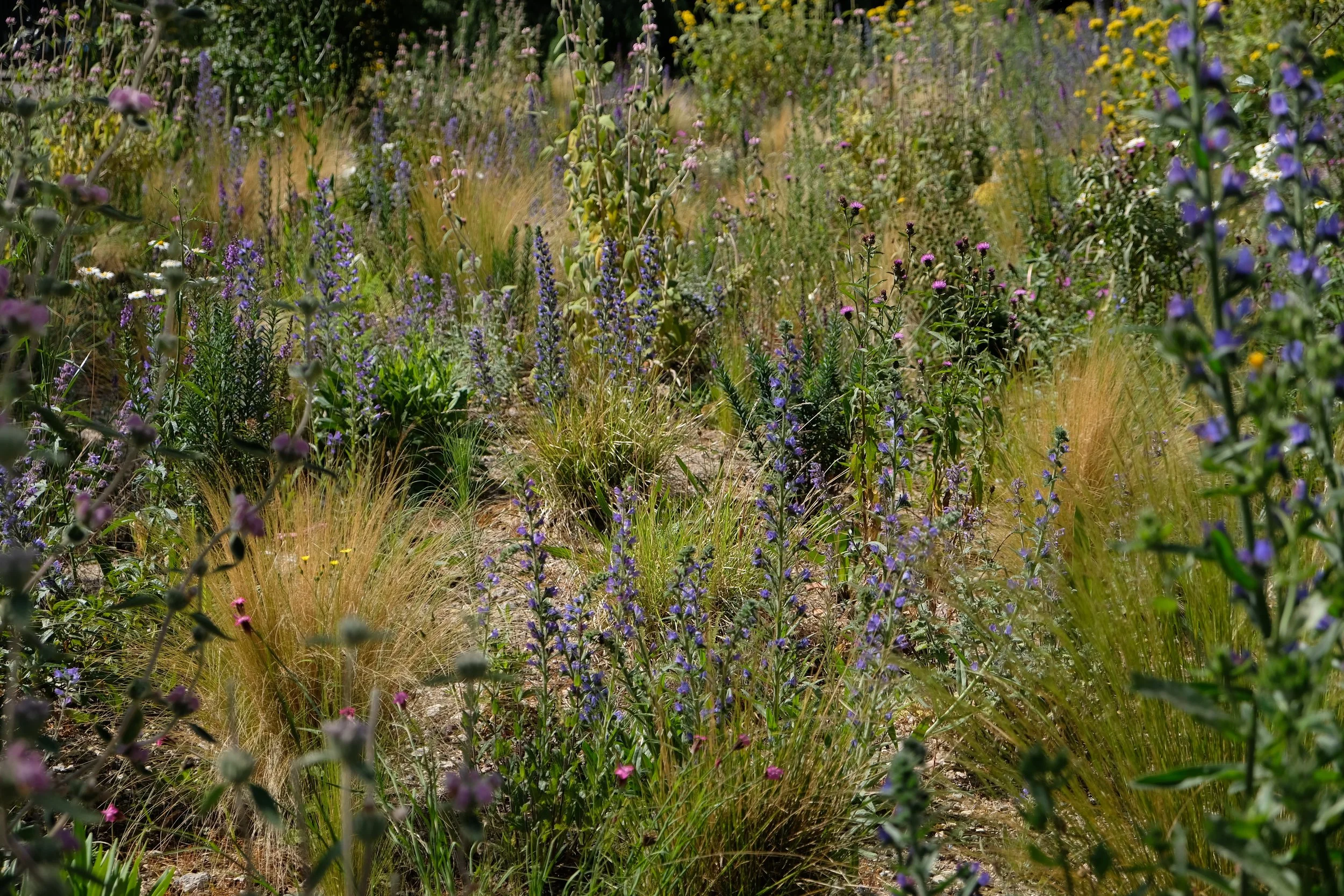
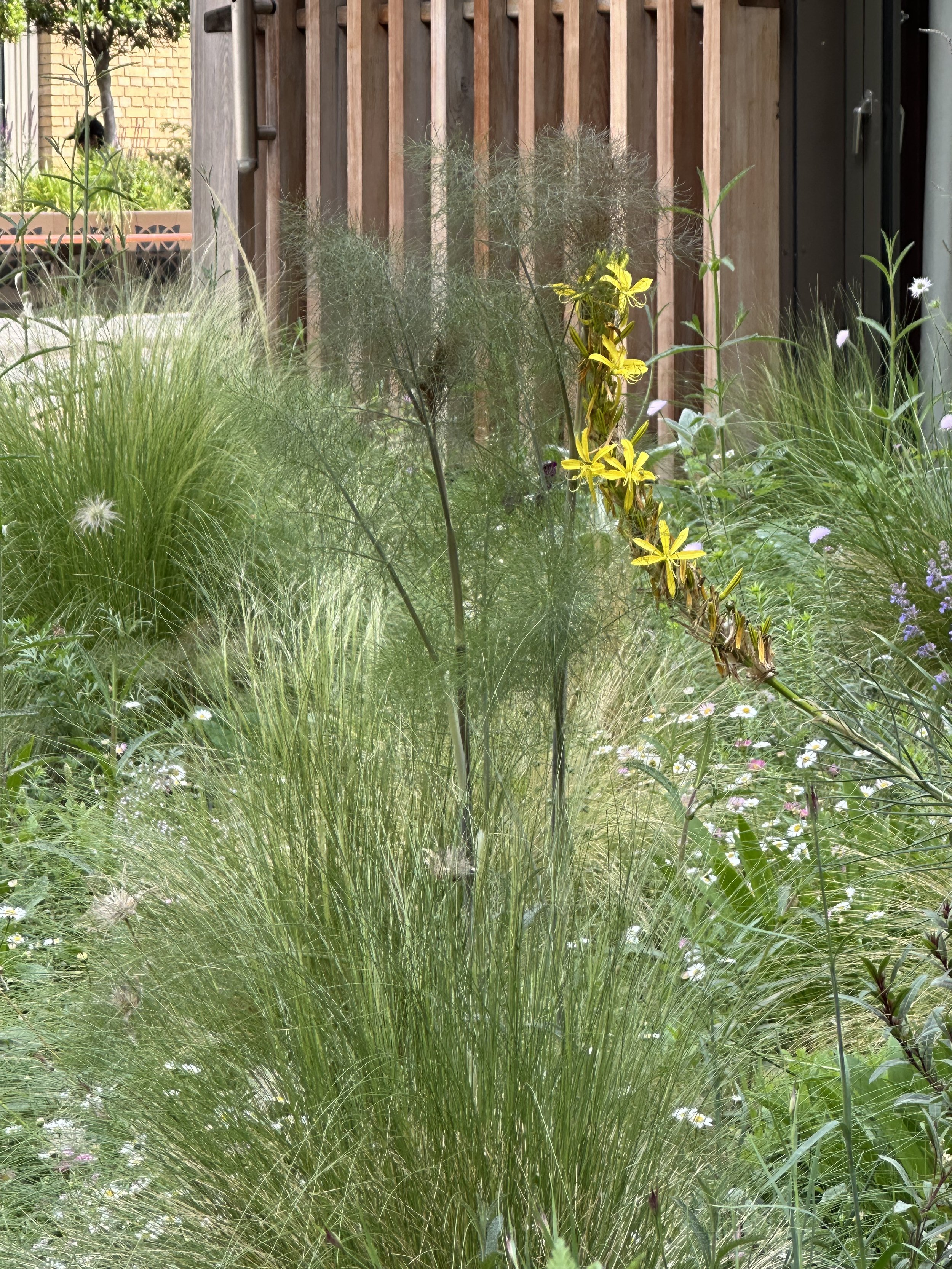
"I don't produce conventional planting plans. I work with multi-matrix planting because it allows much greater complexity and randomness within plant communities."That complexity shapes how people experience a landscape."
If something is immediately understood, you move on. But when there's greater complexity, people stay with it. They stop. They look. They notice more."Interestingly, flower colour plays only a minor role in his thinking.
"Colour isn't a design principle for me. It emerges naturally from ecological plant communities. The relationships between plants create the visual richness."Moore speaks often about dialogue.Not simply conversations between designers and communities, but between people and landscapes themselves.What happens when people share planted spaces?"
People have an innate relationship with plants, whether they realise it or not."
On every project, Moore's team remains involved long after installation.
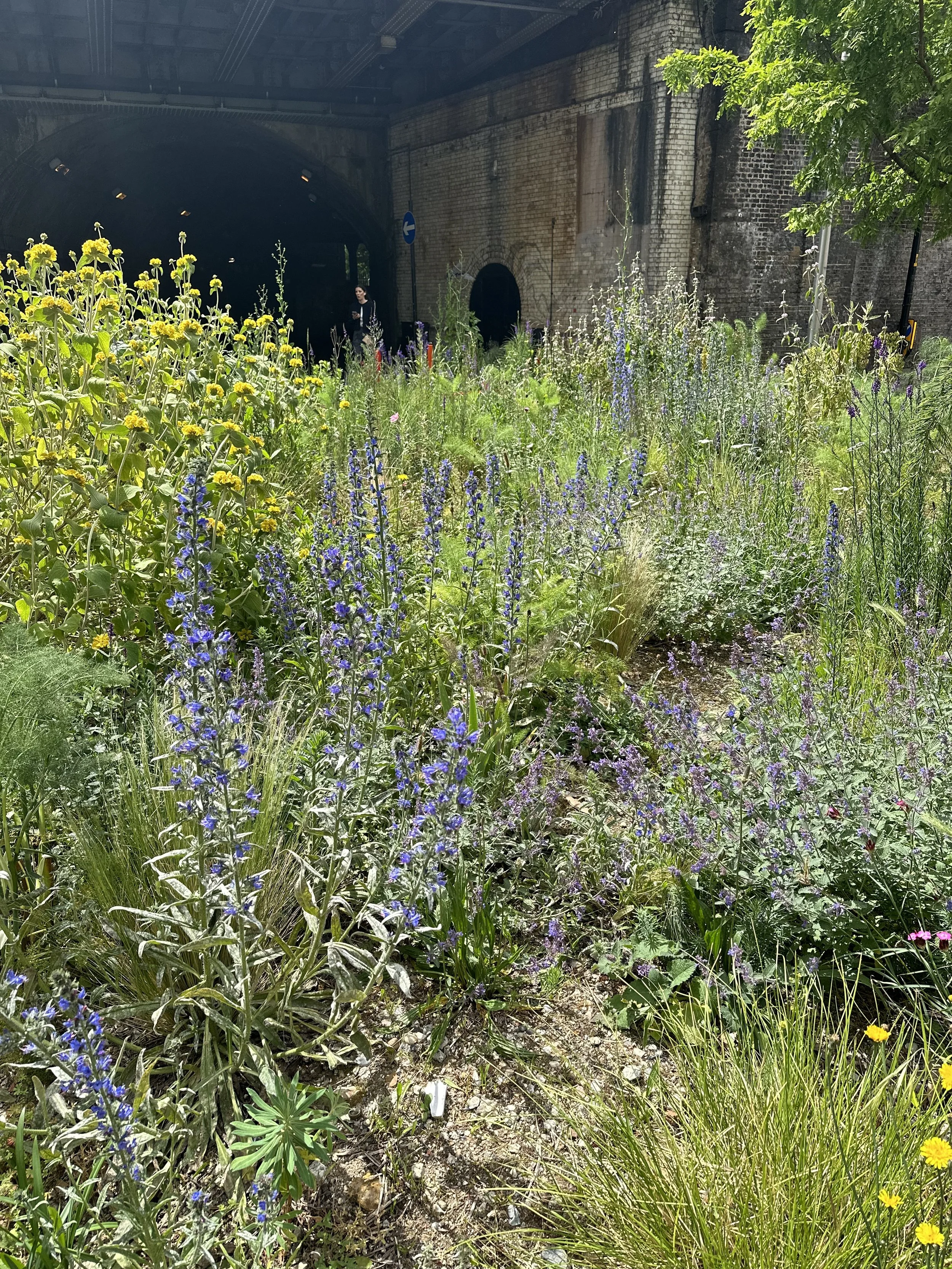
"We're on site all the time. We're explaining why we're planting in recycled aggregates, why we're creating drought-tolerant plant communities, why biodiversity matters and how climate change is influencing those decisions."
Those practical conversations become opportunities for public learning."
People have heard about biodiversity loss. They've heard about climate change. When they see those ideas being applied in a landscape, they begin to understand what they actually look like."Over time, those exchanges accumulate into something larger."
It creates a sense of community."
Throughout our conversation, Moore returns repeatedly to the language of ecology. Planting is never static. It is always the beginning of an evolving system.How can public planting support ecological health and human wellbeing simultaneously?
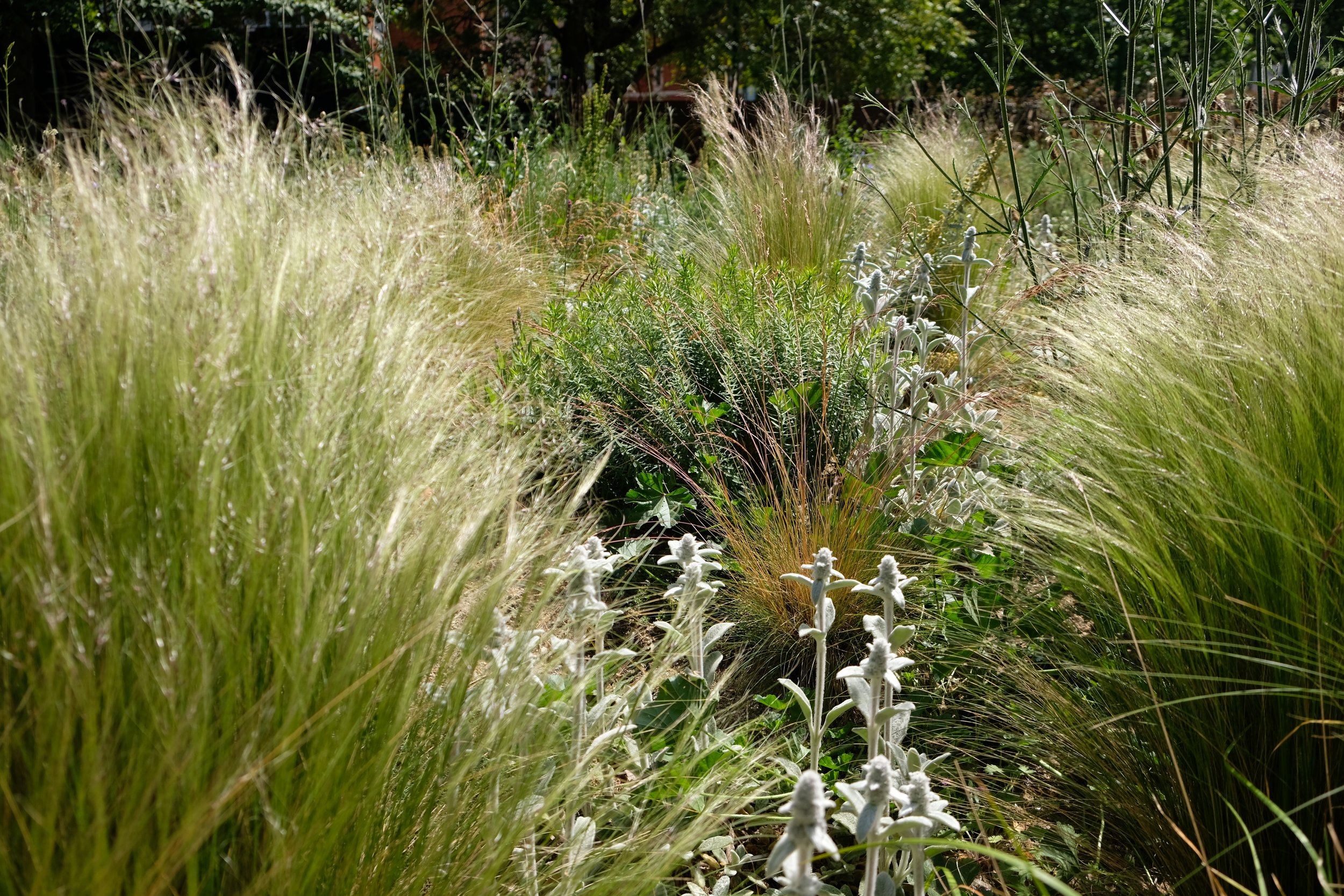
"Ecological planting creates ecosystems. They're dynamic landscapes that become richer over time because diversity continues to increase."
Rather than controlling every outcome, Moore advocates understanding how plants naturally live and reproduce.
"It's about understanding their life strategies—how they grow, respond to seasons and reproduce—and then working with those processes."
This philosophy extends beyond biodiversity into human health itself.
"Plants host enormous microbial communities. They're in the soil, on the leaves and in the air around them. Simply sitting near plants means we're breathing those microbes in."
For Moore, this represents one of the most tangible relationships between people and plants.
"Those microbes become part of our own microbiome. It's a direct physical connection between plants and human health, and I don't think we talk about it enough."
The final question returns to time. This year's Beth Chatto Symposium asks us to think about Connections Through Time. It seems an appropriate place to end. Who are we really planting for?
"Planting is always long-term. We're planting for people now, for people in the future, but also for far more than people."
His answer broadens beyond humanity altogether.
"We're creating places for birds, insects, fungi, microbes and countless other species that we can't even fully imagine."
"We're always designing for more than we can even think about."
Perhaps this is ultimately what the social life of plants asks us to recognise. That every landscape is already a community. Our role is not to create it. It is to participate in it with care.
Darryl Moore is an award-winning garden and landscape designer, writer, and co-founder of Cityscapes, an urban landscape organisation focused on ecological, social and economic sustainability in cities. He is author of Gardening in a Changing World: Plants, People and the Climate Crisis and a consultant at Beth Chatto’s Plants and Gardens. He is co-curator of thehub.earth, a member of the Society of Garden Designers Council, and a Fellow of the RSA. His work has been recognised at RHS Chelsea Flower Show, including the St Mungo’s Putting Down Roots Garden (2022), awarded for its focus on ecology and sustainability in public landscapes.