GROUNDWORK Ed.07
LESSONS FROM THE SOCIAL LIFE OF PLANTS
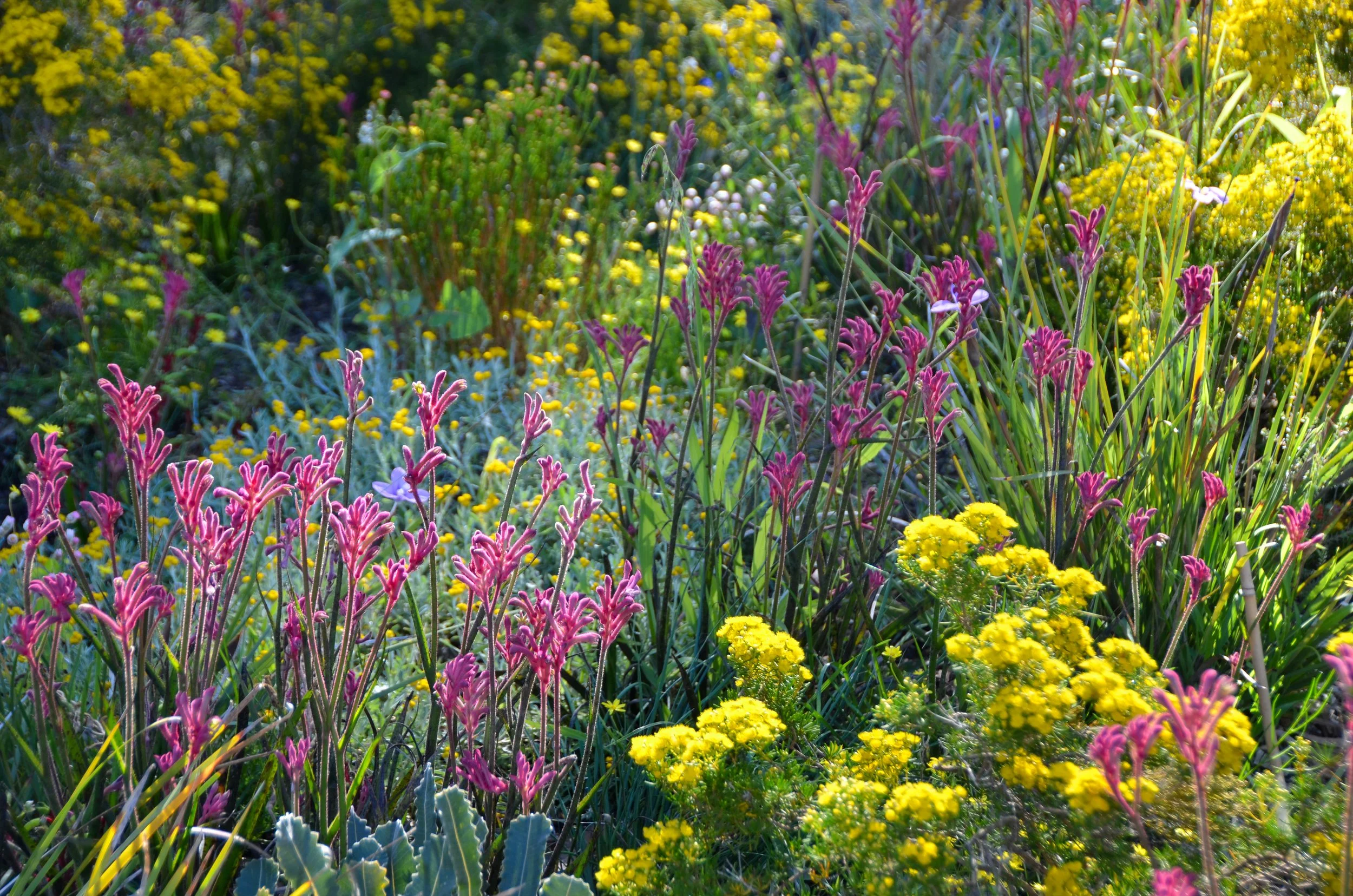
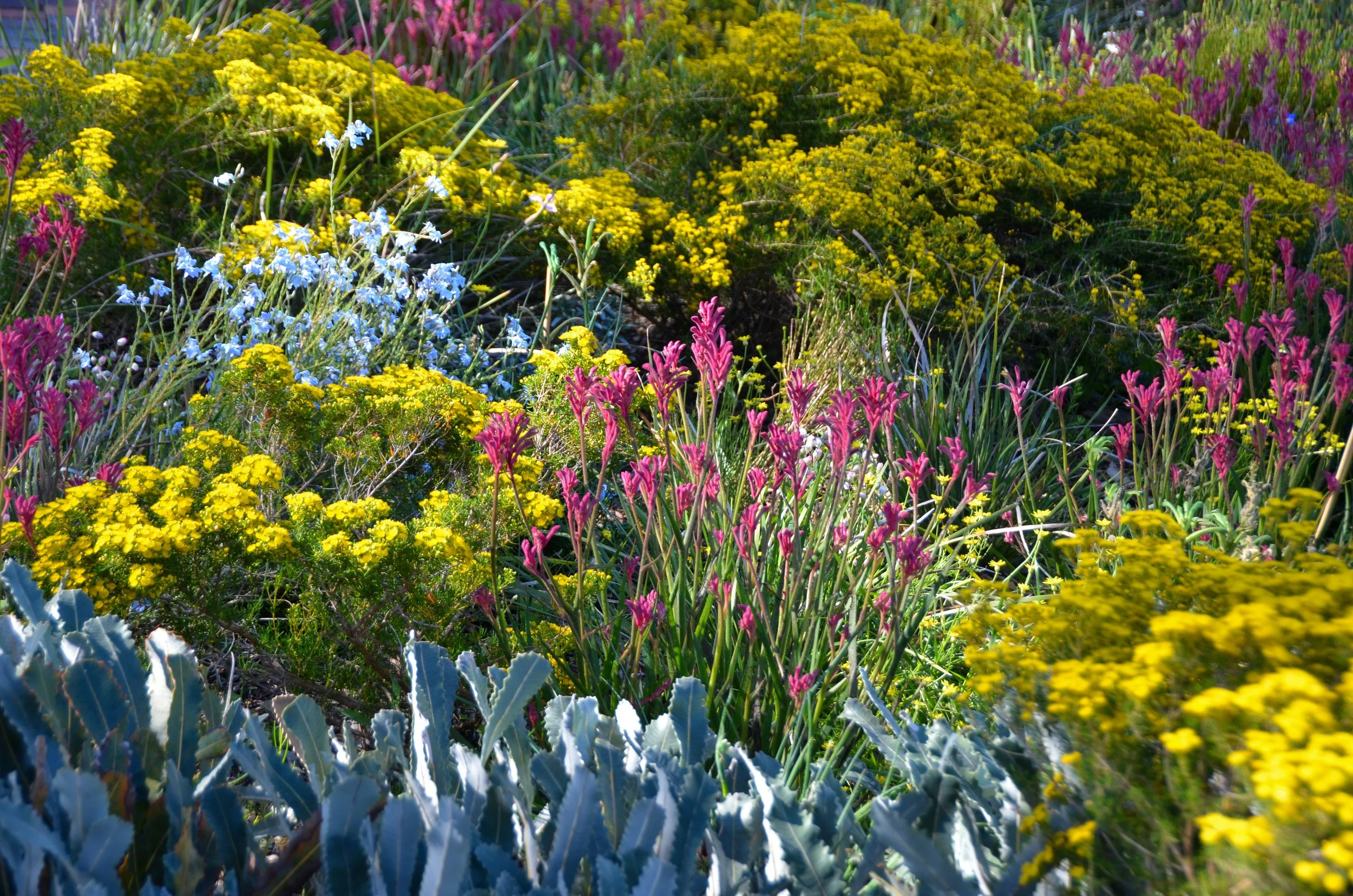
At Super Bloom, we often speak about plant communities. For us, acknowledging a community acknowledges relationships. We’re asking not only what plants will grow together, but how they will live together over time.
The most successful planting is rarely the result of individual species performing in isolation and instead it emerges from a web of interactions between plants, pollinators, soil organisms and the broader environment.
A recent study led by researchers from the University of Melbourne offers compelling new insight into the social life of plants, revealing that the success of a plant community depends not only on which plants are present, but on the relationships formed between plant neighbours.
Published in the Proceedings of the National Academy of Sciences (PNAS), the research examined annual plant communities in Western Australia and Spain, two regions with distinct evolutionary histories but remarkably similar Mediterranean climates. What the researchers found reinforces an idea that sits at the heart of ecological planting design - plants are not simply collections of species. They are communities.
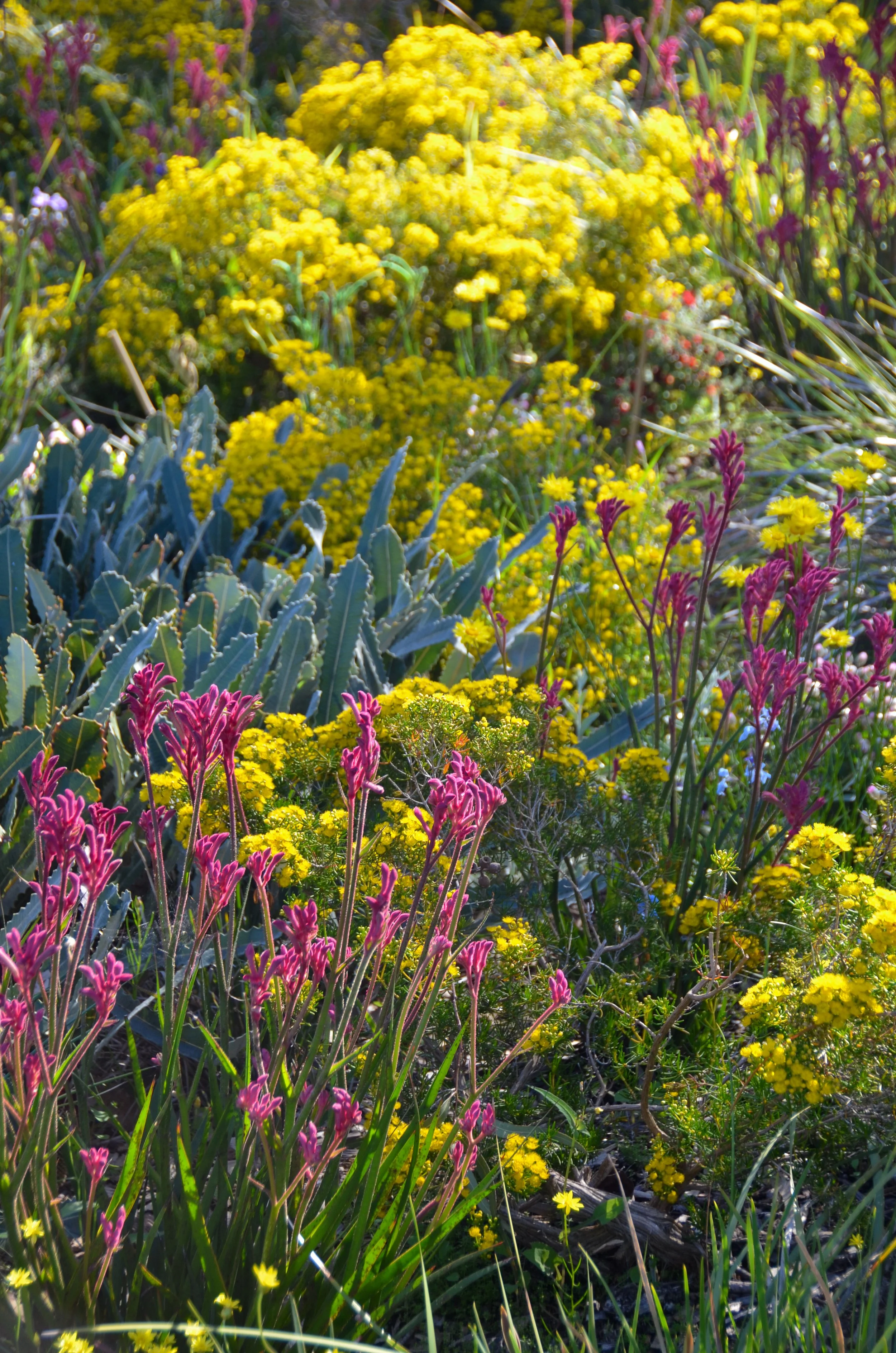
Published in the Proceedings of the National Academy of Sciences (PNAS), the research examined annual plant communities in Western Australia and Spain, two regions with distinct evolutionary histories but remarkably similar Mediterranean climates. What the researchers found reinforces an idea that sits at the heart of ecological planting design - plants are not simply collections of species. They are communities.
For decades, the horticulture industry has largely focused on competition. Plants compete for light, water, nutrients and space and the strongest survive. This study is a timely reminder that competition between plants does exist but doesn’t paint the full picture.
Researchers found that at low neighbourhood densities, positive interactions between different plant species were surprisingly common. In both Australia and Spain, facilitation (where one plant benefits another) was the dominant interaction type. More than half of all interactions observed at low densities were facilitative rather than competitive.
In practical terms, this means that neighbouring plants can improve one another's chances of success. They may provide shade, moderate temperature extremes, reduce water stress, improve pollinator activity or create favourable growing conditions that would not exist in isolation.
The findings challenge the common perception of plants as solitary competitors and instead reveal a living network of relationships that help sustain biodiversity.
One of the study's most significant findings was that these relationships change as neighbourhood density increases. As plant communities become more crowded, facilitation gradually gives way to competition. In the Australian plant communities studied, around two-thirds of interactions became competitive at higher densities. Similar patterns were observed in Spain.
The shift makes intuitive sense. When resources become scarce, plants begin competing more intensely for access to light, water and space. What this means is that the relationship between plants is fluid and a species that acts as a helpful neighbour under one set of conditions may become a competitor under another.
For planting designers like us, this highlights the importance of understanding not only species selection, but also the consideration of density and long-term community dynamics.
Across both countries, plants with conservative resource-use strategies consistently acted as stronger facilitators. These are species that use resources carefully, retain water efficiently and tend to be more resilient in challenging conditions. In other words, the most generous neighbours were often the most resource-efficient plants.
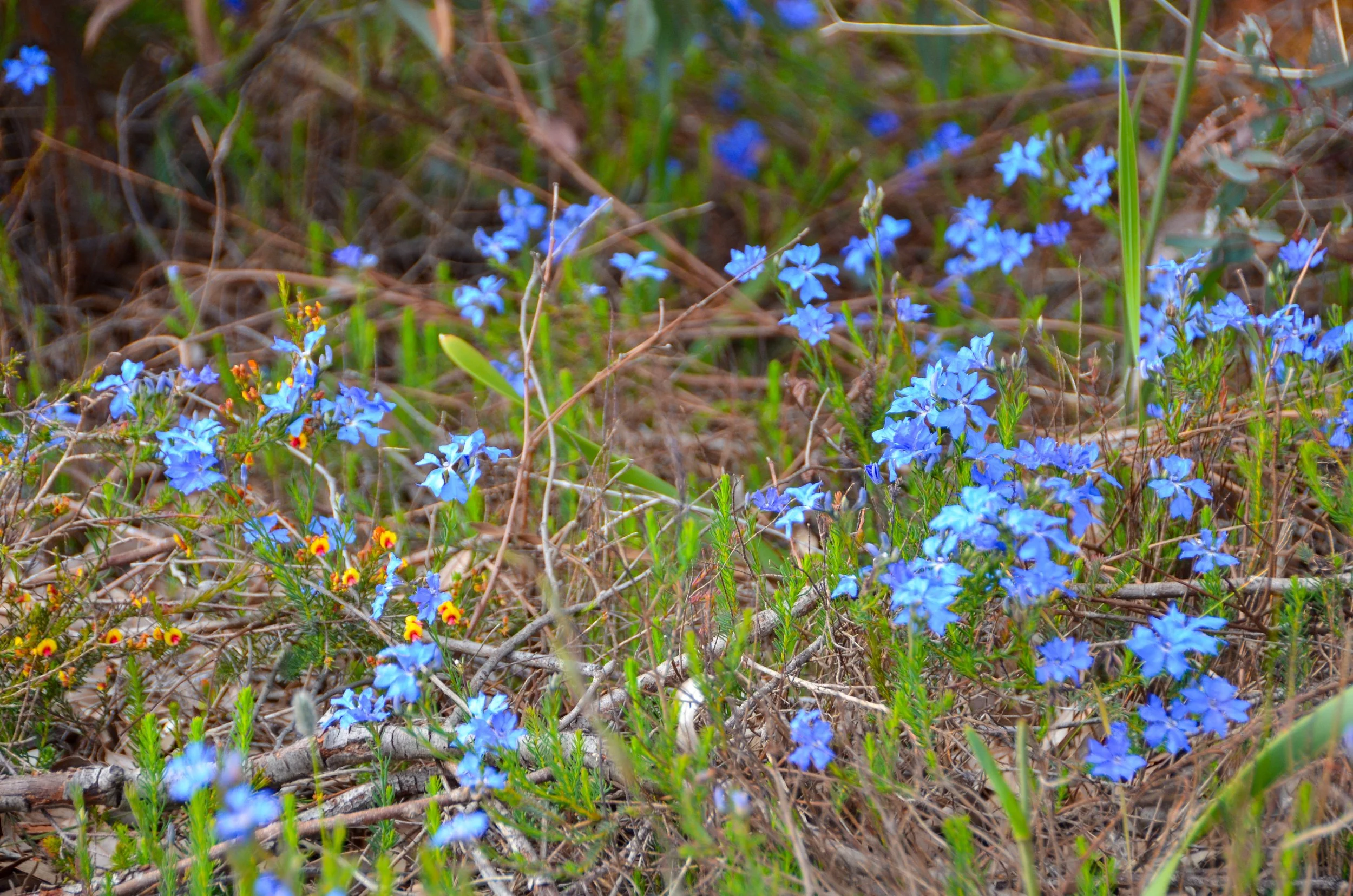
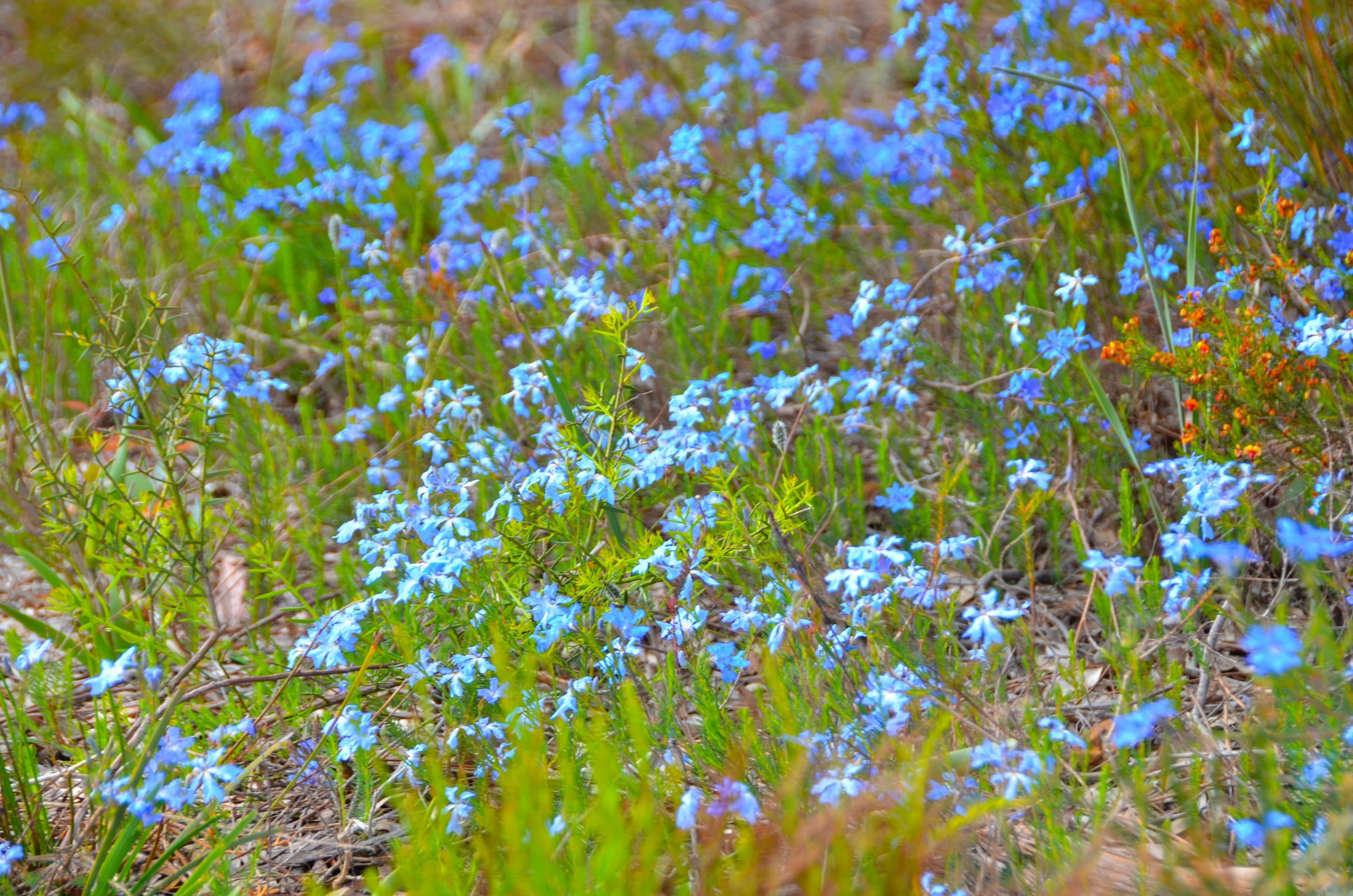
The study also uncovered an unexpected relationship between flower size and facilitation. Researchers found that smaller flowers were associated with stronger positive interactions between species. One possible explanation is pollinator behaviour. Smaller flowers may benefit disproportionately from being part of a larger floral community, while collectively contributing to a more attractive display for pollinators.
It is a finding that challenges the assumption that ecological success is driven by standout performers and instead suggests that collective contribution may be just as important as individual impact. Many small blooms, working together, can achieve what a single spectacular bloom cannot.
While the findings are new, the idea may feel familiar to those who work closely with plants. In practice, we often observe that certain species seem to improve the performance of those around them. Some provide shelter from harsh conditions. Others extend flowering periods, attract pollinators or help create the layered structure that allows a planting to function as a whole.
The success of a planting rarely comes down to a single species. More often, it emerges from the relationships between many species working together over time. This is one reason that Super Bloom is concerned with designing plant communities rather than simply arranging plants. The goal is not to create a static composition, but a dynamic living system capable of adapting, evolving and supporting itself.
As part of our exploration of The Social Life of Plants, this research offers a timely reminder that plants do not experience landscapes as isolated individuals. They live within communities, responding to, influencing and supporting those around them.
The more we learn about plants, the more we discover that relationships sit at the centre of their existence. For planting designers, perhaps the challenge is not simply to create wonderous or resilient landscapes, but to create the conditions in which those relationships can flourish. The study reinforces something we observe repeatedly in practice, that thriving landscapes are rarely built by individual plants acting alone and instead they emerge from communities, and from the relationships that hold those communities together.
The research findings referenced in this article were published in the Proceedings of the National Academy of Sciences (PNAS) by University of Melbourne in June 2026. Article titled ‘Trait-mediated interactions drive local diversity’, authors Lauren M. Hallette, Courtney G. Taylora, Wing Man Siua ID, Manuel Sevenelloa, and Margaret M. Mayfielda.