GROUNDWORK Ed.05
BREEDING JOY: WHERE PLANTS BEGIN
In the quiet, industrious world behind ABUNDANT GARDENS and flowering retail displays, there exists a layer of horticulture that rarely seeks the spotlight. It is here, in propagation houses, trial beds and breeding programs that the future of our gardens is patiently composed.
Claire Blackie of Plant Growers Australia (PGA) works within this realm, where plants begin as ideas, are shaped through seasons, and eventually find their way into the hands of gardeners. Wholesale horticulture is often misunderstood, she explains. It can be perceived as purely transactional, plants as units, numbers and margins. But this reading misses the deeper rhythm. At its core, the work is driven by a profound love of plants and an enduring curiosity about how they grow, adapt and bring joy into people’s lives. ‘We make a hell of a lot of them’, she says lightly (around 2 million plants a year). But behind that scale is a culture of care. Each plant represents years of observation, selection, and refinement, all orientated toward one outcome: success in the garden.
This idea of success is central. It is not enough for a plant to be visually appealing at the point of sale - it must continue to perform, to root itself confidently into the conditions of an Australian garden, to thrive across seasons. At PGA, breeding is both a science and a kind of storytelling, a process of translating the beauty seen in nature into forms that can endure new climates and contexts. Native species, exotics, and cottage garden favourites are all part of the same conversation, woven together through careful selection and trial.
Colour, for Claire Blackie and the team at PGA is a guiding force. It is the first note in a garden composition, the element that draws the eye and animates the space. Brightness, saturation and tonal variation are continually explored, not as superficial qualities but as emotional triggers, ways of bringing life, energy and joy into everyday environments. In PGAs range is Dreameria, whose compact rounded form has sculptural bobbing, spherical blooms held aloft on slender stems. They move with the wind, creating a choreography that is as much about motion as it is about colour.
The story behind Dreameria also reveals something essential about PGA’s approach. It begins not in Australia but on a rugged cliffside in Scotland, where the plant was first encountered in the wild. What followed was not a simple act of transplantation but a long process of adaptation, breeding and refining the plant so it could succeed in Australian conditions. This is the unseen labour of wholesale horticulture: translation ecosystems, interpreting climates and ensuring that what thrives in one place can meaningfully be reimagined in another.
For Blackie, these processes are always tethered to feeling. Plants, she insists, should bring joy, relaxation and a sense of beauty. They are not static objects but living presences that shape how we experience space and time. There is a quiet celebration embedded in each new variety, not only of the plant itself but of the journey it has taken, from wild origin to cultivated form.
Claire’s own path into horticulture was shaped by a moment of personal recalibration. After working in law, she found herself drawn to something more instinctive. A lifelong connection to gardens led her to find her place at PGA near her home. Early memories of her grandmother's garden in Ivanhoe, alive with family gatherings and centred by a giant lemon tree, remain a quiet fondation for this work.
Today, that instinct translates into a deep engagement with the industry, from growers, to retailers, to designers. Events like the Melbourne International Flower and Garden Show reveal the scale of that impact, where planting becomes immersive and emotive, and where people reconnect with the power of gardens.
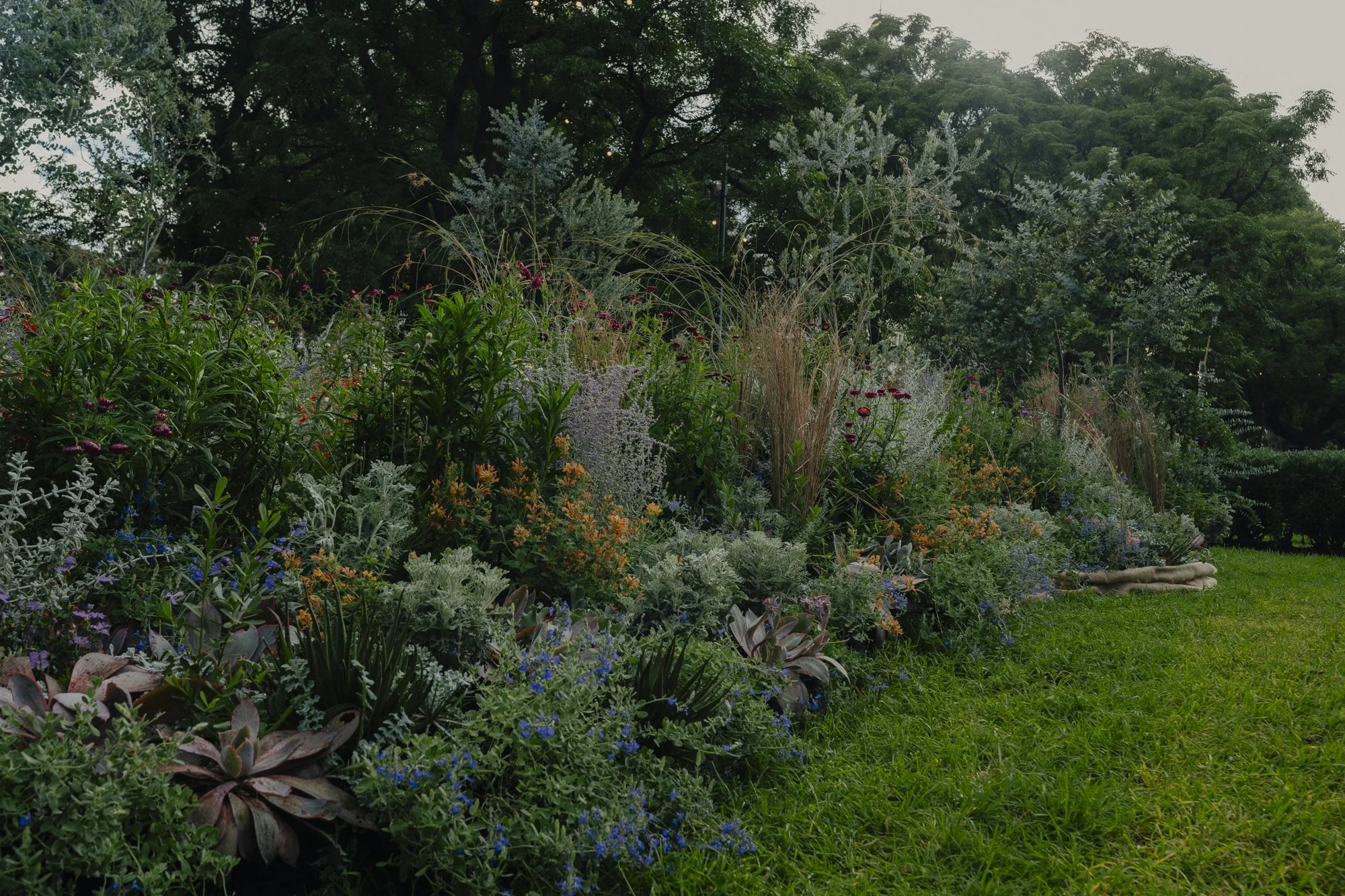
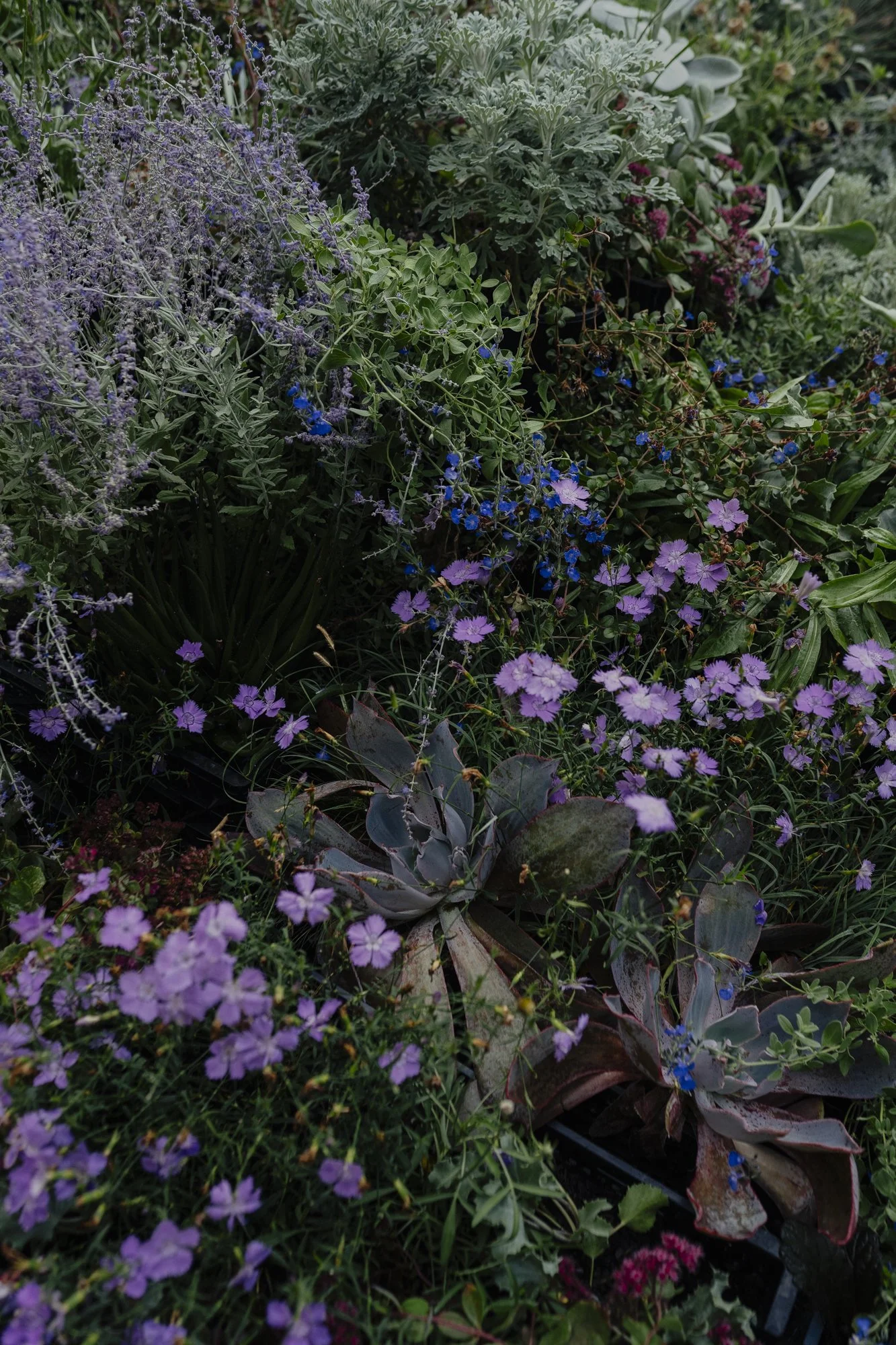
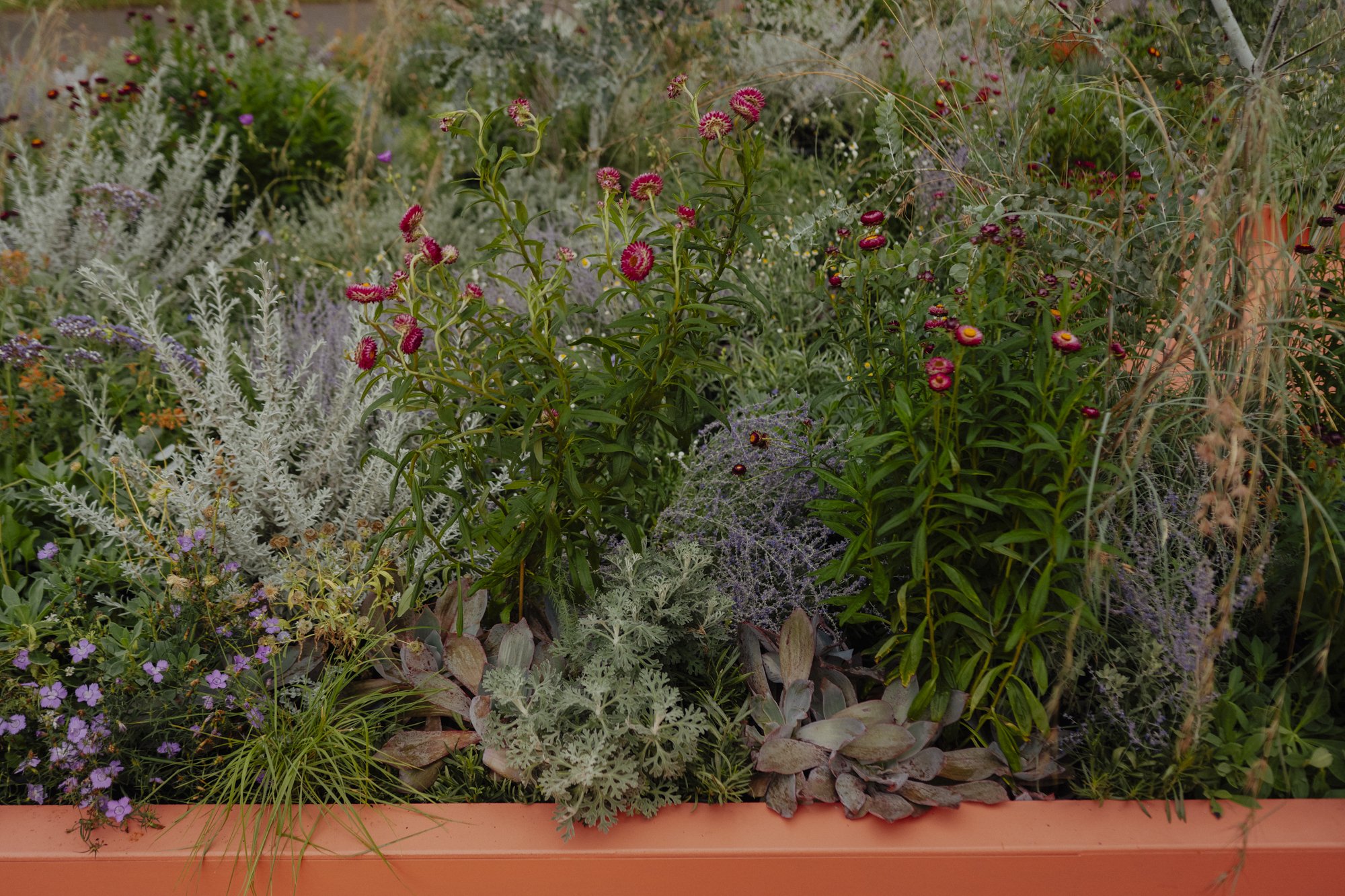
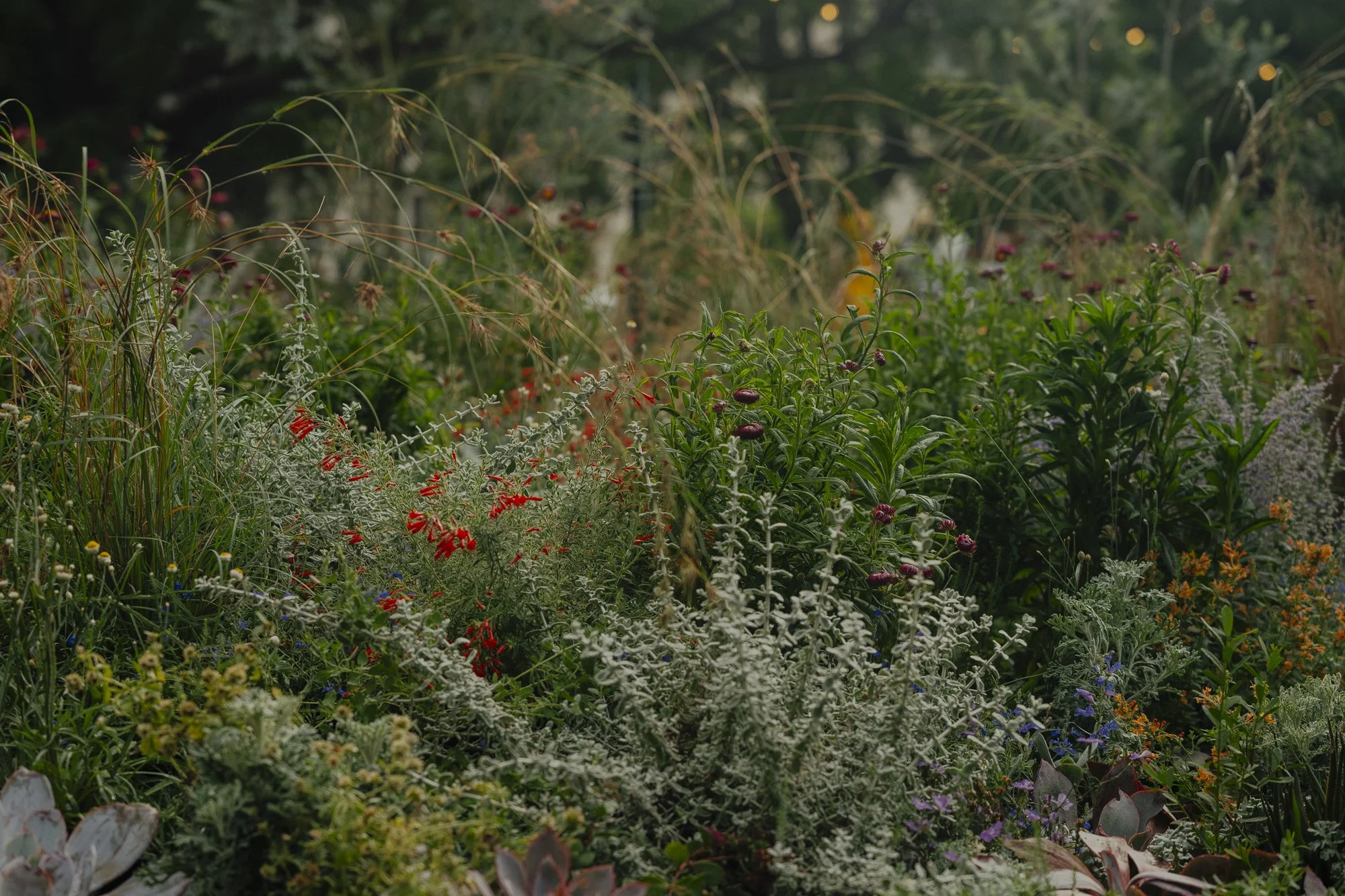
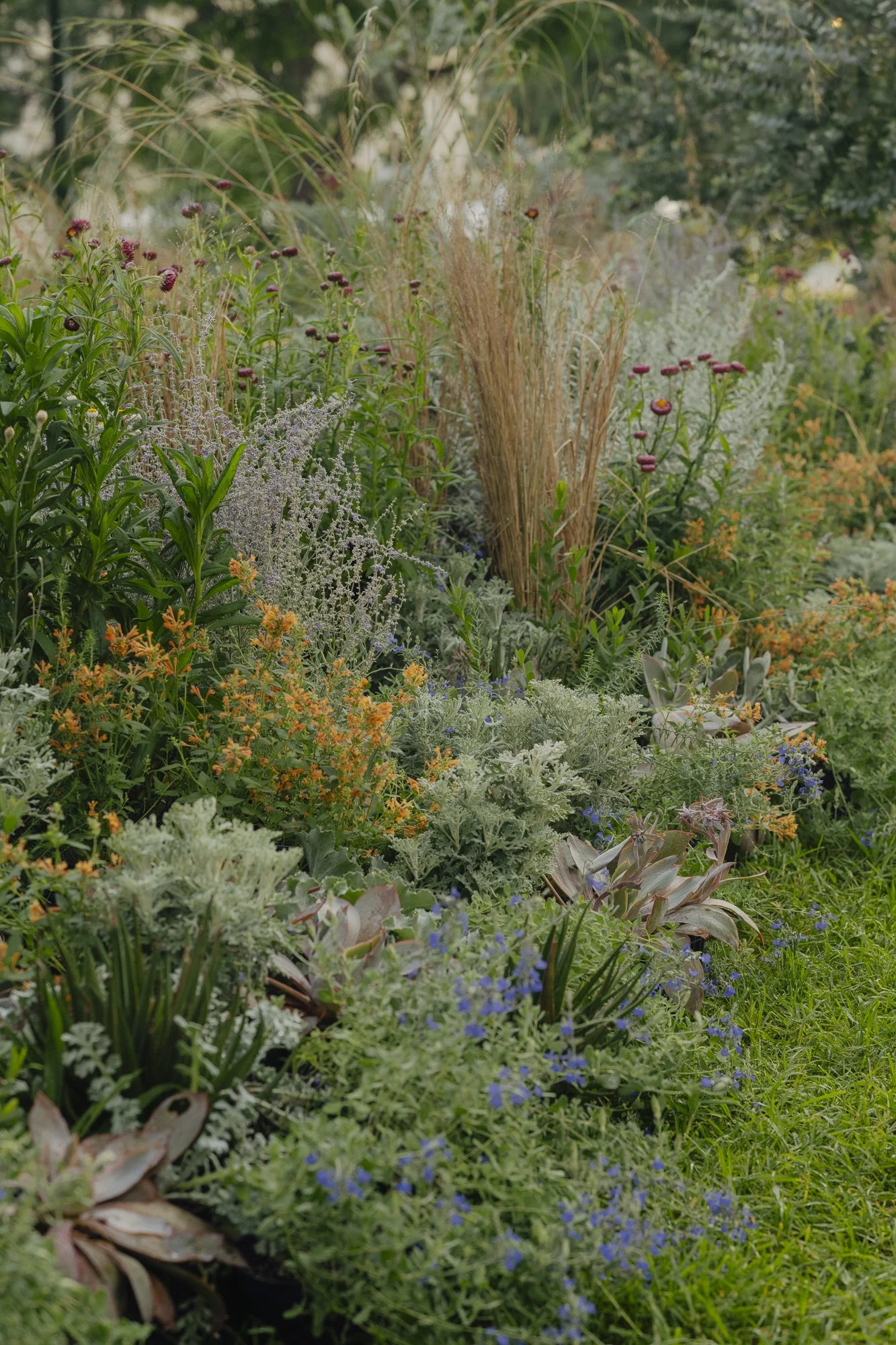
PGAs contribution to the Plant Futures garden at Melbourne International Flower and Garden Show captured this sensibility, a layered, abundant composition that invited touch, movement and curiosity. Plants like the vibrant orange Agastache and flowing salvias in purple and soft blue brought both colour and motion. A reminder that gardens are not static compositions but living atmospheres.
From seed to streetscape, Claire’s work reflects a simple but enduring belief that plants thoughtfully bred, carefully grown and generously shared have the power to shape not only gardens and public green spaces, but the way we live within them.