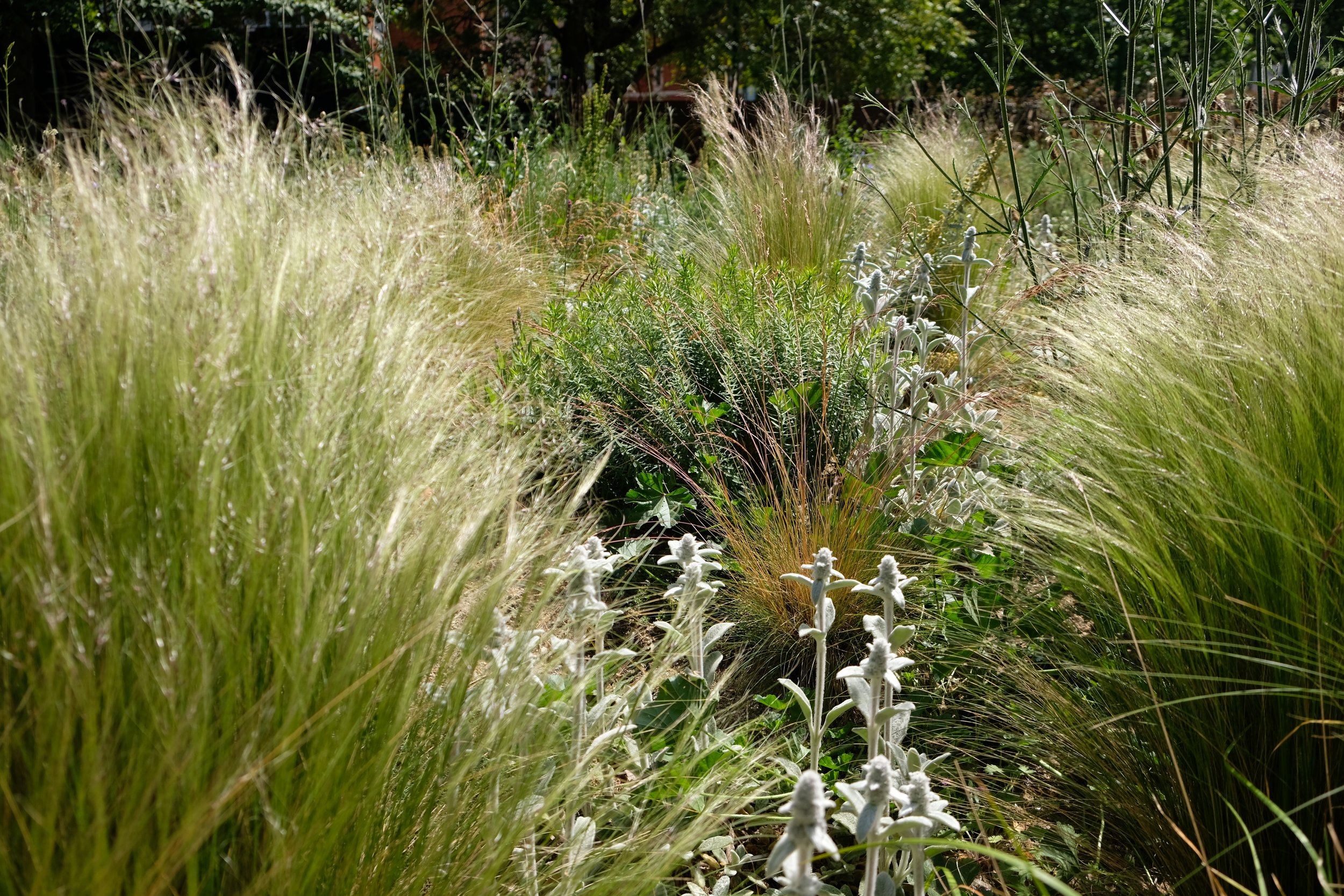
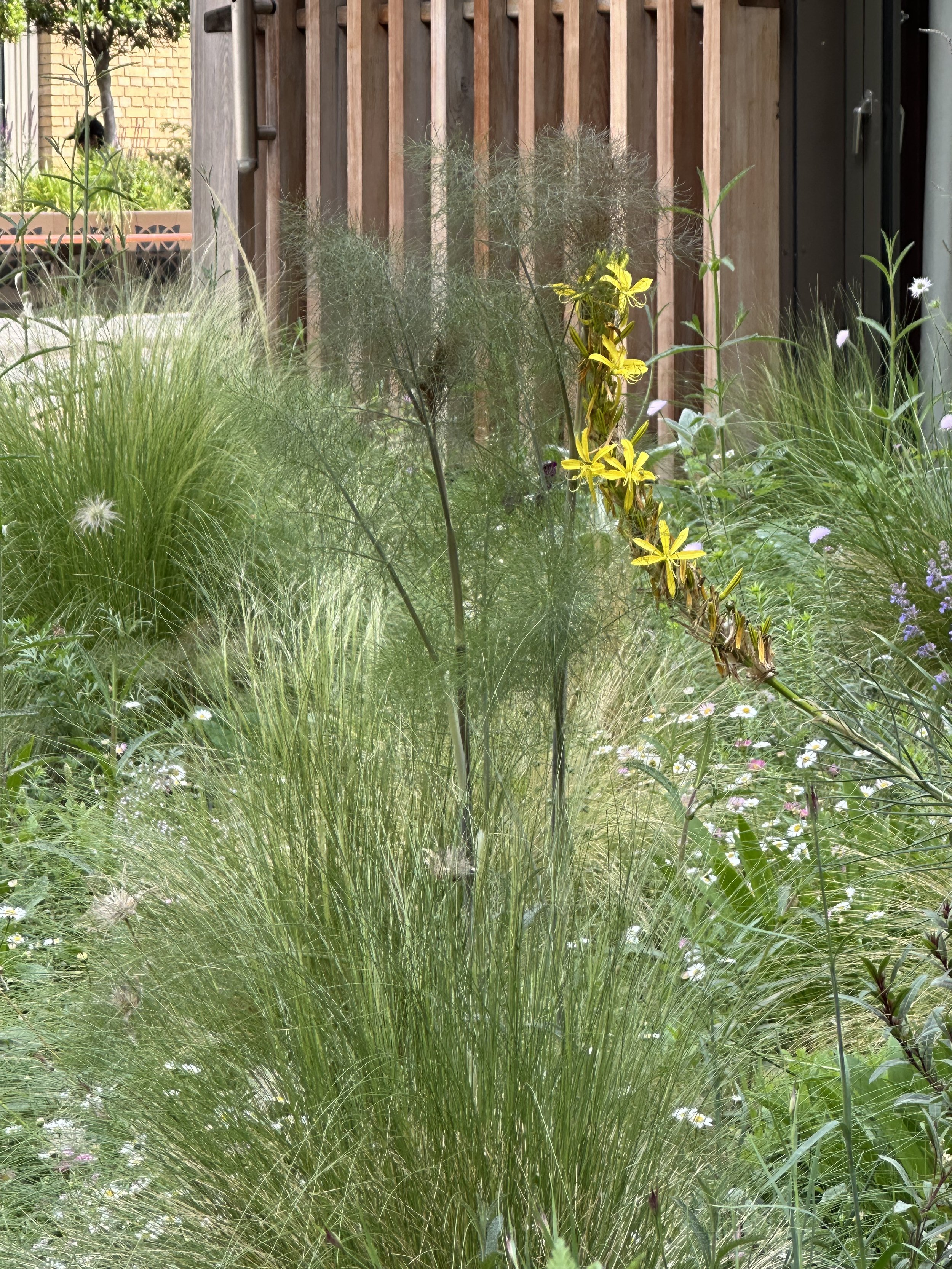
GROUNDWORK Ed.10
Beth Chatto: The Plant Lover Who Changed the Way We Garden
How one remarkable plant practitioner transformed horticultural practice, and why her ideas continue to shape the future of planting.
Some people change the way we think. Others change the way we practice. Beth Chatto did both.
Few individuals have had such a profound influence on modern horticulture as Beth Chatto. Long before biodiverse planting, climate-responsive design and resilient landscapes became defining conversations in our profession, she was passionately demonstrating a different way of working with plants. Her philosophy of ‘right plant, right place’ did more than become a memorable phrase. It transformed how generations of gardeners, designers and horticulturists understand plants, landscapes and the relationship between them.
At Super Bloom, Beth Chatto's work continues to be one of the great touchstones of our practice. Her insistence that beautiful gardens begin with first paying close attention to what a place is telling us, remains one of the most enduring lessons in horticulture.
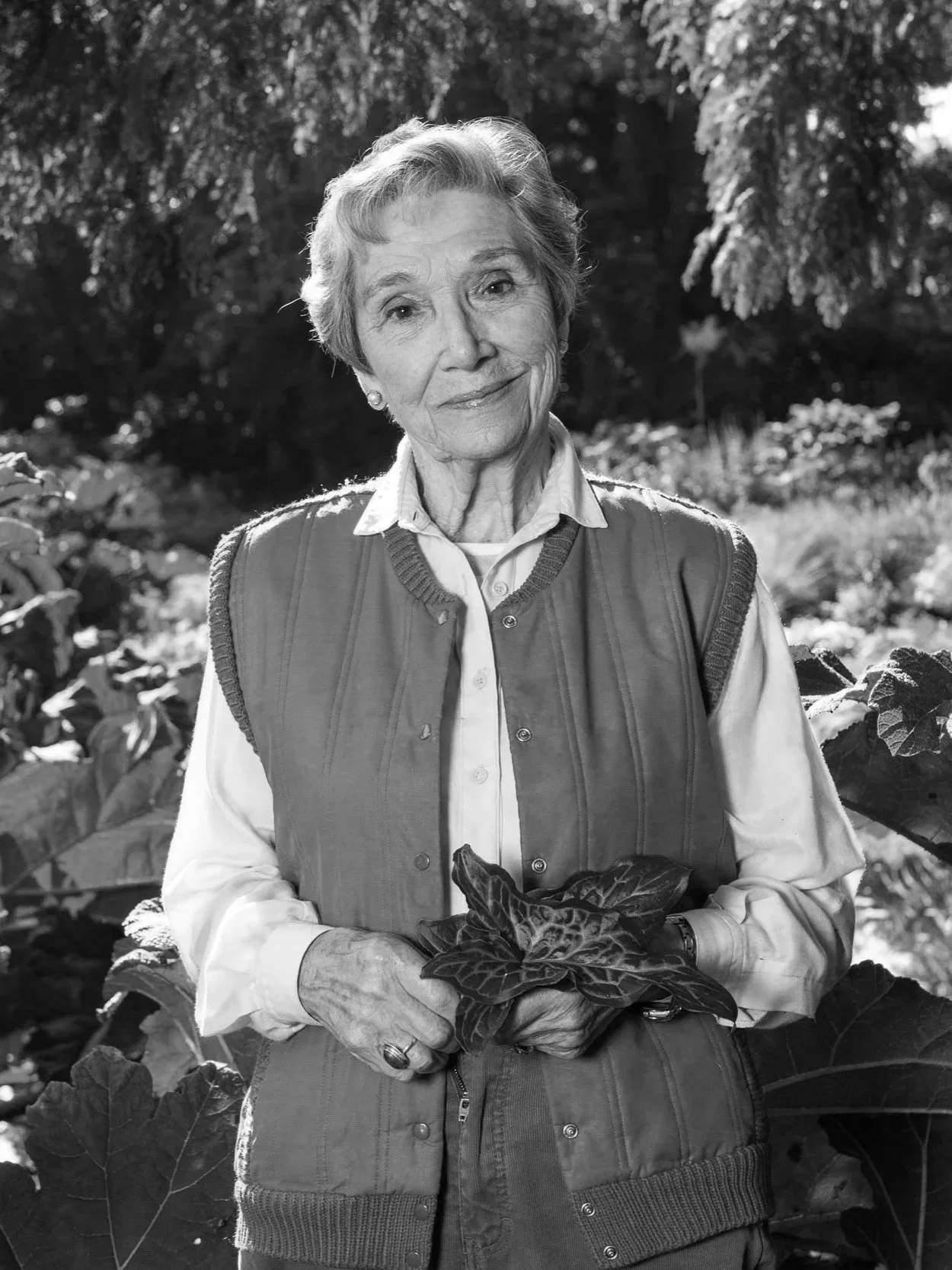
Today, choosing plants according to the conditions in which they will naturally thrive feels fundamental to good planting design. We talk about plant communities, microclimates, resilience and working with a site rather than against it. But long before these ideas became central to conversations about sustainable landscapes and climate-responsive planting, Beth Chatto was putting them into practice and making them beautiful.
Beth Chatto was one of the most influential plantswomen of the twentieth century: a gardener, nurserywoman, writer and formidable observer of plants. In the 1960s, she established a garden and nursery at Elmstead Market in Essex, on what was, by most gardening standards, a deeply unpromising piece of land.
The site was dry and gravelly in some areas, damp and boggy in others. Rather than attempting to flatten these differences into one idealised version of a garden, Beth Chatto paid attention to them and worked with what was there.
Beth Chatto possessed an extraordinary ability to observe. She looked carefully at where plants came from, the conditions in which they evolved and how they naturally lived alongside one another. Rather than asking plants to adapt to a garden, she asked how a garden might respond to the plants.
Beth Chatto translated ecological understanding into an entirely new way of gardening. Her gift was not simply knowing where plants belonged, but applying that knowledge with remarkable creativity, producing landscapes that were ecologically sound, horticulturally rigorous and profoundly beautiful. Her philosophy was beautifully simple: choose the right plant for the right place.
Planting like this requires observation, curiosity and a willingness to understand a site making any decisions about what you put on it. As gardeners we must first notice soil, moisture, exposure, shade and climate, and then to know which plants will best respond to these conditions.
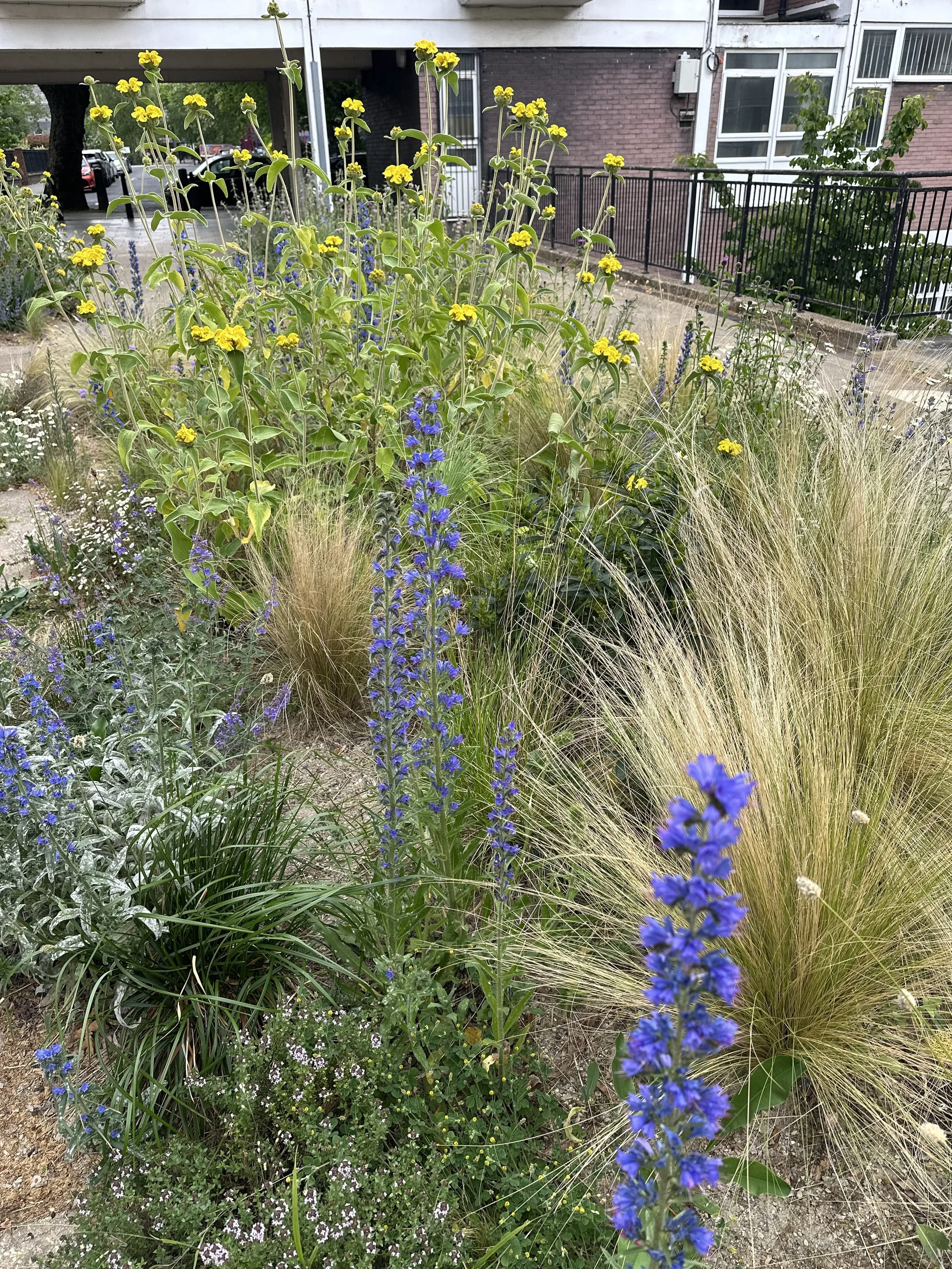
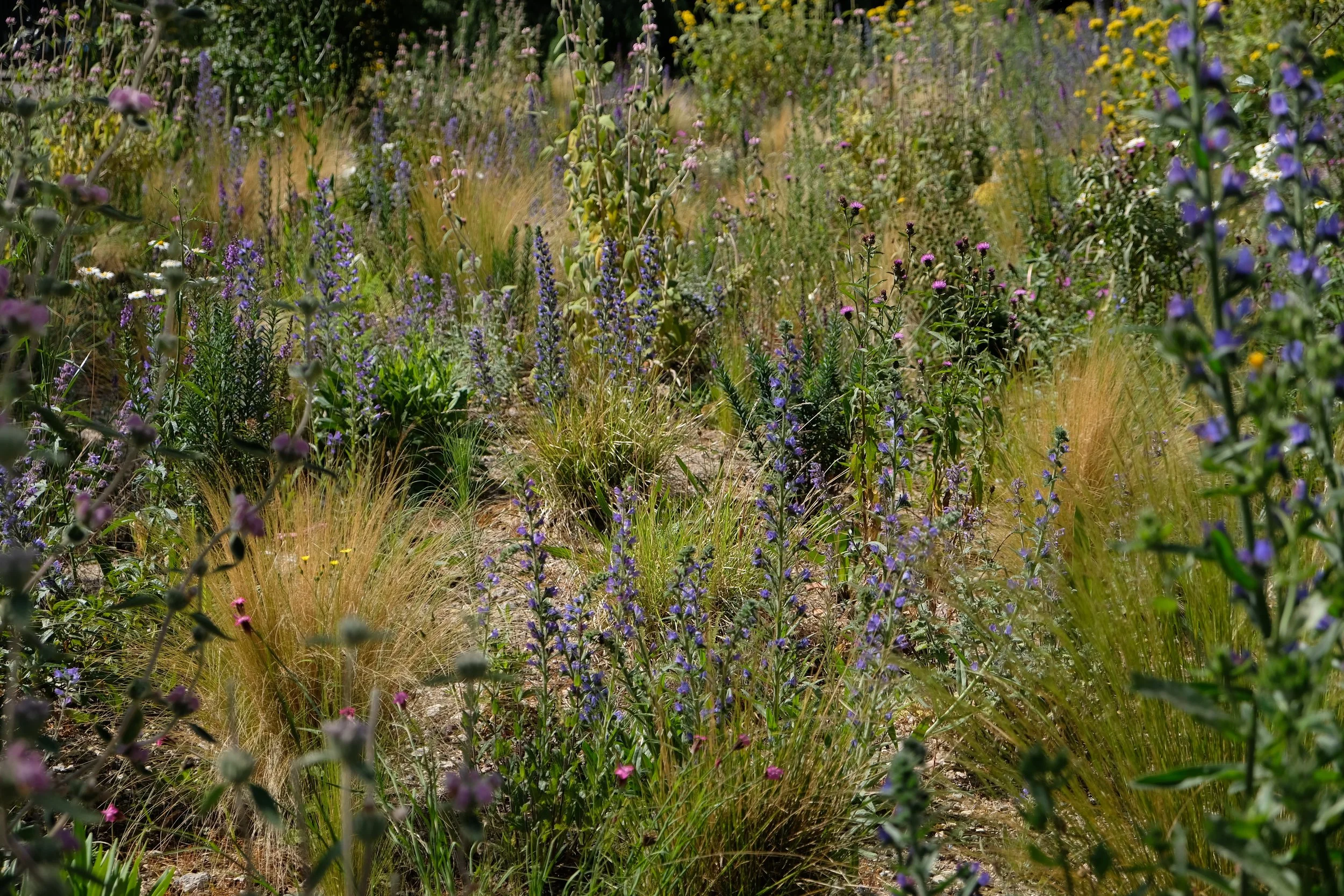
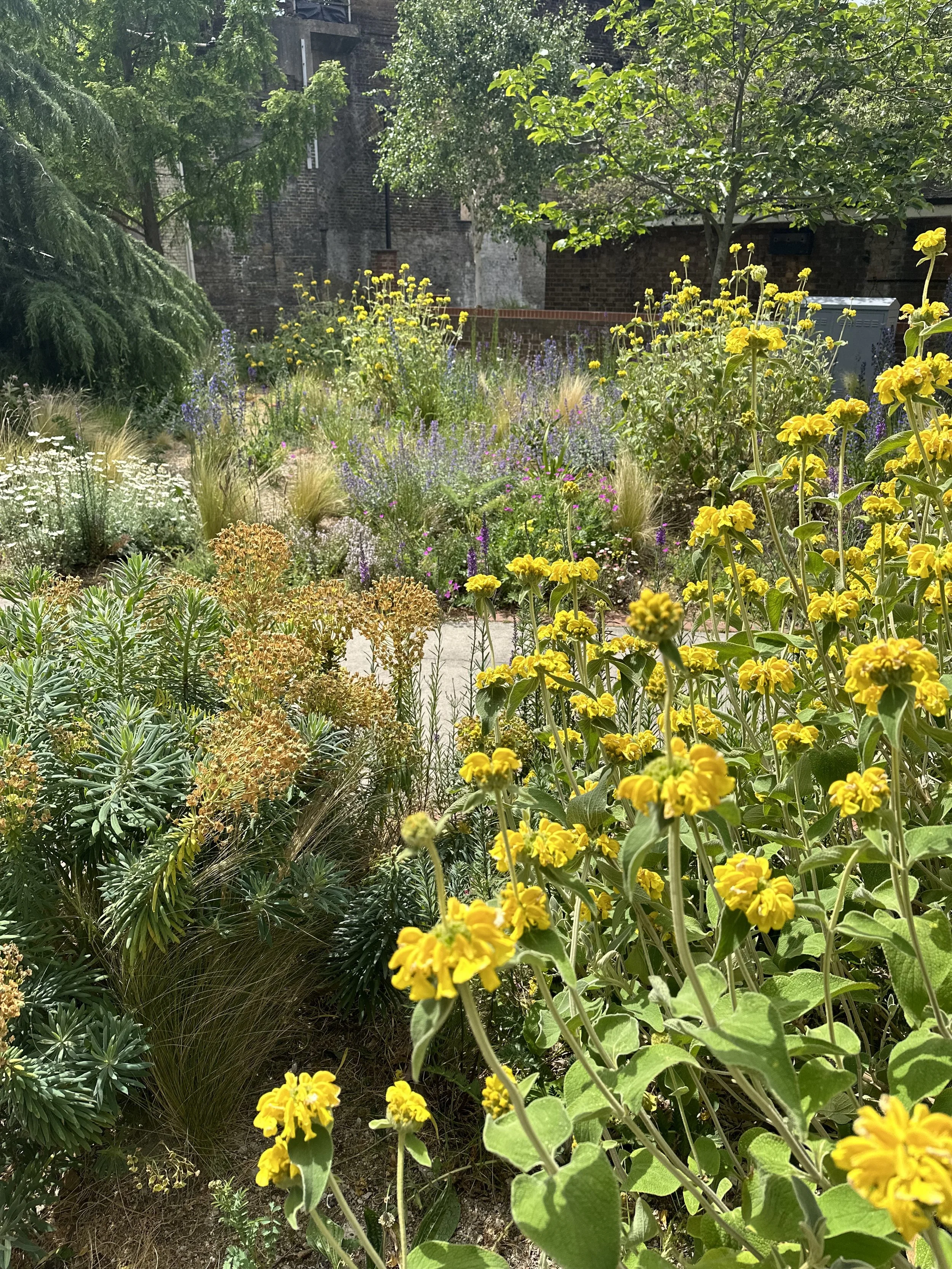
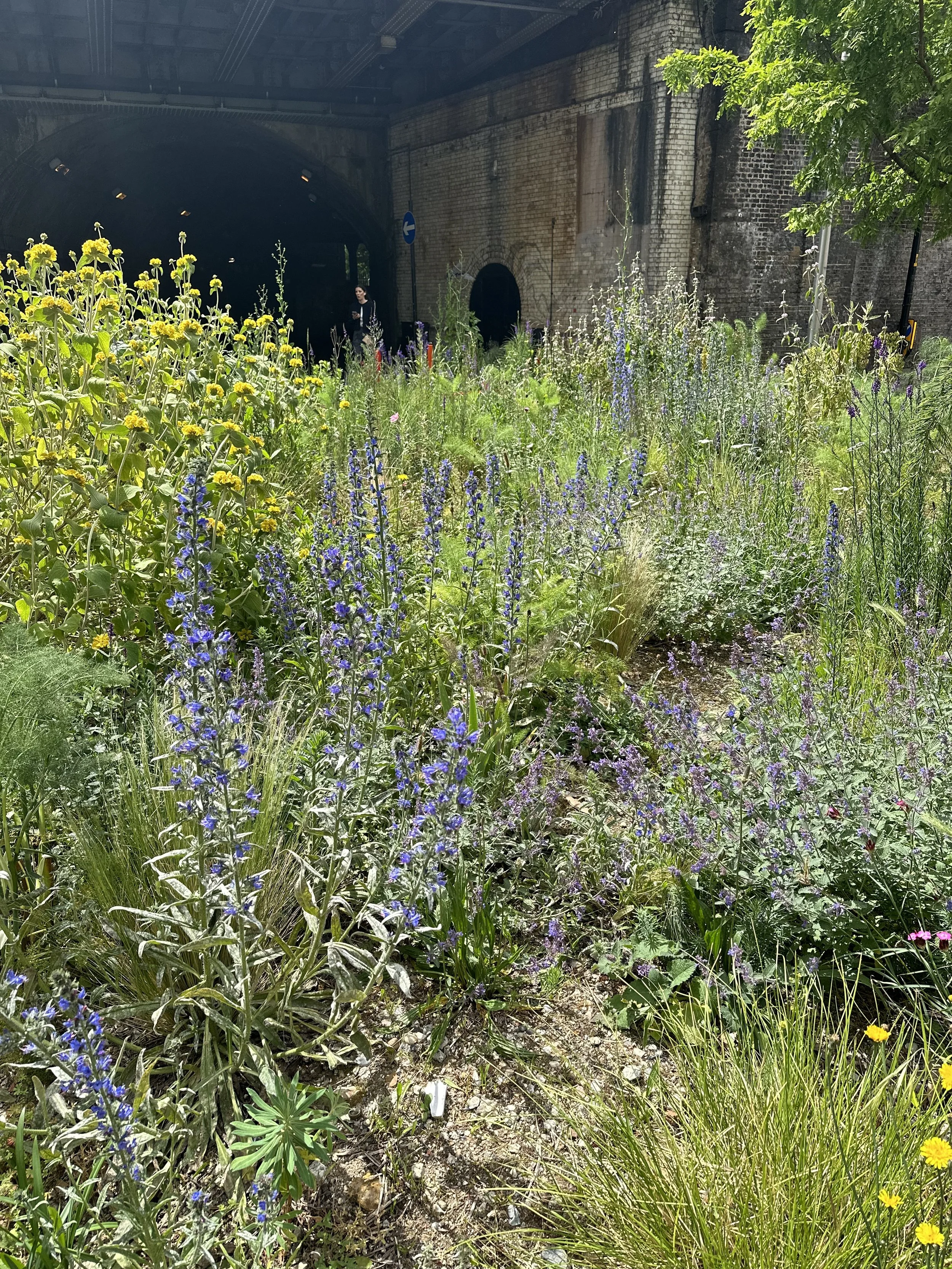
Chatto's garden became a living demonstration of these principles. Her most celebrated experiment, the Gravel Garden, was established on the site of a former car park and has survived for decades with virtually no irrigation beyond rainfall. Rather than forcing unsuitable plants to survive through constant intervention, she carefully selected species adapted to dry conditions, allowing them to flourish with remarkable resilience. The result was exuberant, richly textured and unmistakably beautiful.
For those of us designing gardens in Australia's increasingly warm and variable climate, the significance of this work extends far beyond Essex. Beth Chatto showed that designing with climate, soils and ecological conditions is not a regional approach but a universal principle. Whether planting in England, Melbourne or Mparntwe, the starting point remains the same: understand the place first, then choose plants that truly belong there.
This was part of Chatto’s particular genius. Her gardens were compositions made up of plants that would collectively thrive in community and also perform aesthetically. She had an extraordinary eye for how plants could sit together, looking at their forms, rhythms, textures and seasonal changes, while remaining deeply attentive to what each plant actually needed.
Her nursery reflected this thinking, selling plants according to the conditions that suited them: dry, shade, damp and general conditions. At a time when so much of British gardening was dominated by bedding plants and roses, Chatto introduced gardeners to a broader and more adventurous plant palette.
Beth Chatto won ten gold medals at the RHS Chelsea Flower Show over eleven years. Her books, including The Dry Garden, became classics. Generations of gardeners, designers and horticulturists travelled to her garden in Essex (UK) to learn from her.
Again and again, those influenced by Chatto about her way of seeing, learning to read a site, understand its microclimates and work with its conditions rather than attempting to bend them to your will.
That way of seeing feels more urgent now than ever. In a changing climate, the question we have to ask ourselves as plants people is , what can thrive here? What resources are available? How will this place change over the next 5, 10, 20 years?
Nearly a century after Beth Chatto began paying close attention to an unlikely patch of land in Essex, plantspeople around the world continue to build upon her legacy. Her questions remain our questions.
What is this place telling us? What does this plant need? How can we create landscapes that work with nature rather than against it?
This September, that conversation continues at the Beth Chatto Symposium in England, where leading gardeners, designers, ecologists and horticulturists from around the world will gather to share ideas, challenge thinking and celebrate Beth Chatto's extraordinary legacy. Super Bloom Founder and plant practitioner Jac Semmler is honoured to join this year's programme as a speaker.
One of the wonderful aspects of the symposium is that it isn't limited by geography. Alongside attending in person, the event can also be experienced virtually, making it possible for plantspeople around the world, including here in Australia, to be part of this remarkable exchange of ideas.
If Beth Chatto's work has ever inspired the way you garden, design or think about plants, we'd encourage you to join the conversation.
Join us at the Beth Chatto Symposium