
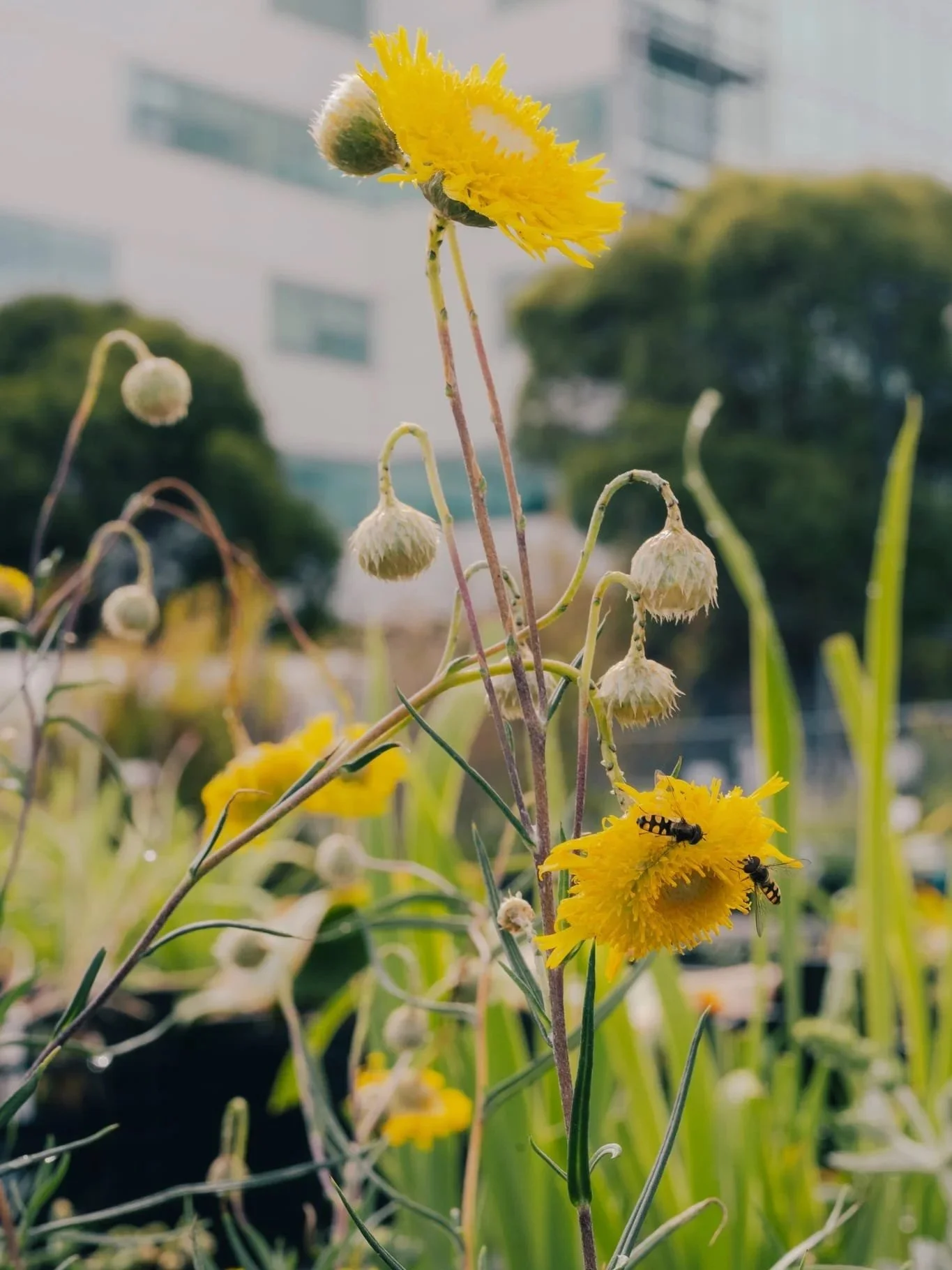
Melbourne Arts Precinct plant trials
Melbourne Arts Precinct Transformation
Melbourne Arts Precinct Transformation with Melbourne Arts Precinct Corporation, Development Victoria and Creative Victoria.
NATURE: Major Public Realm, Partnership, Research
TIMELINE:In progress
SCOPE: Planting design, plant selection, subject matter expertise, management practices, procurement and demonstration modules.
DESIGN PARTNERS: Hassell, University of Melbourne, James Hitchmough & Nigel Dunnett
OVERVIEW:
The Melbourne Arts Precinct Plant Trials is a three-year research project bringing together the University of Melbourne (Burnley Campus), MAP Co, Development Victoria, Hassell, Super Bloom, and internationally recognised horticulturalists James Hitchmough and the late Nigel Dunnett.
The project is evaluating plant species and communities best suited to thrive within Laak Boorndap, the future elevated 18,000 square metre biodiverse garden at the heart of the Melbourne Arts Precinct.
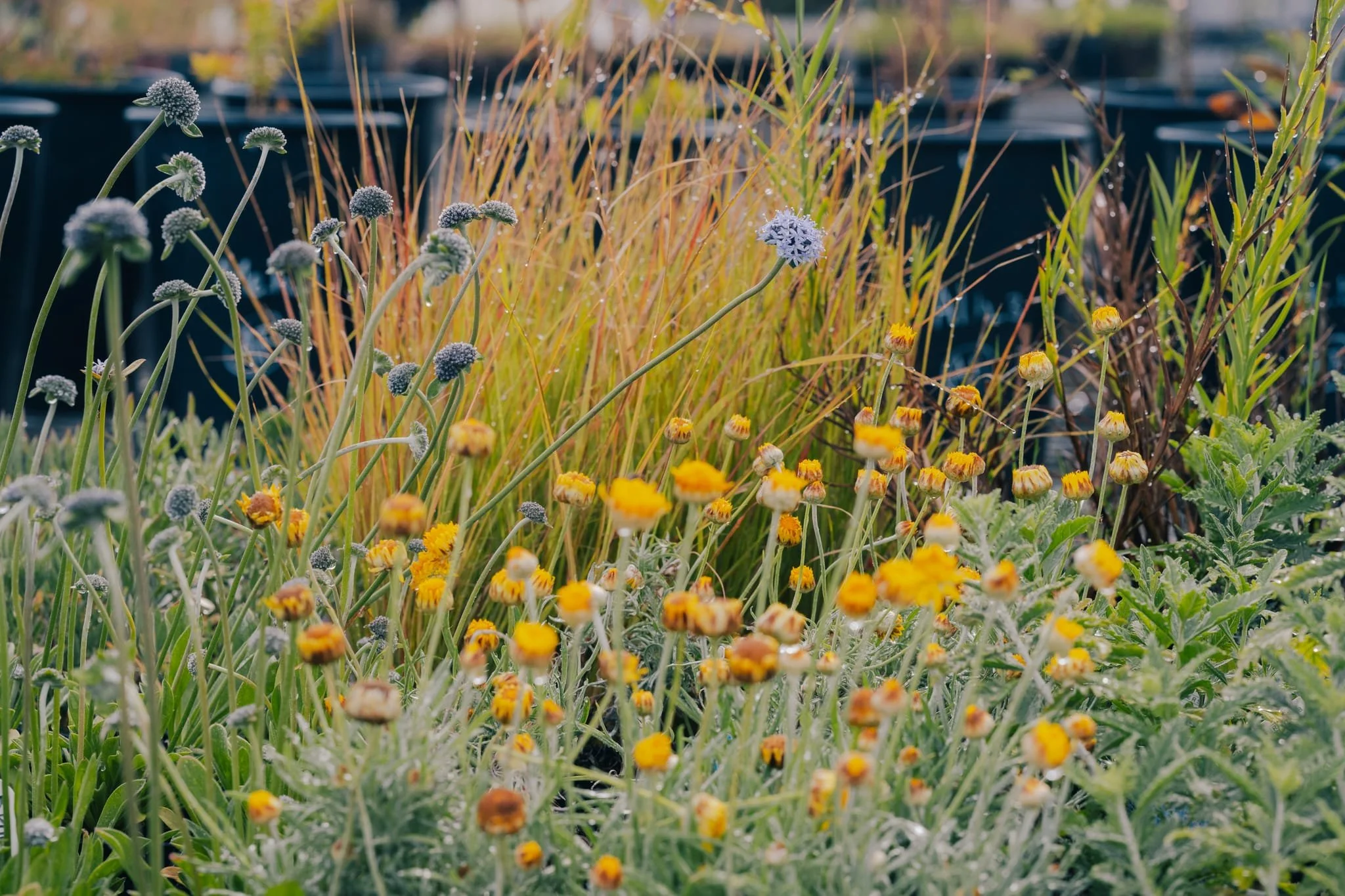
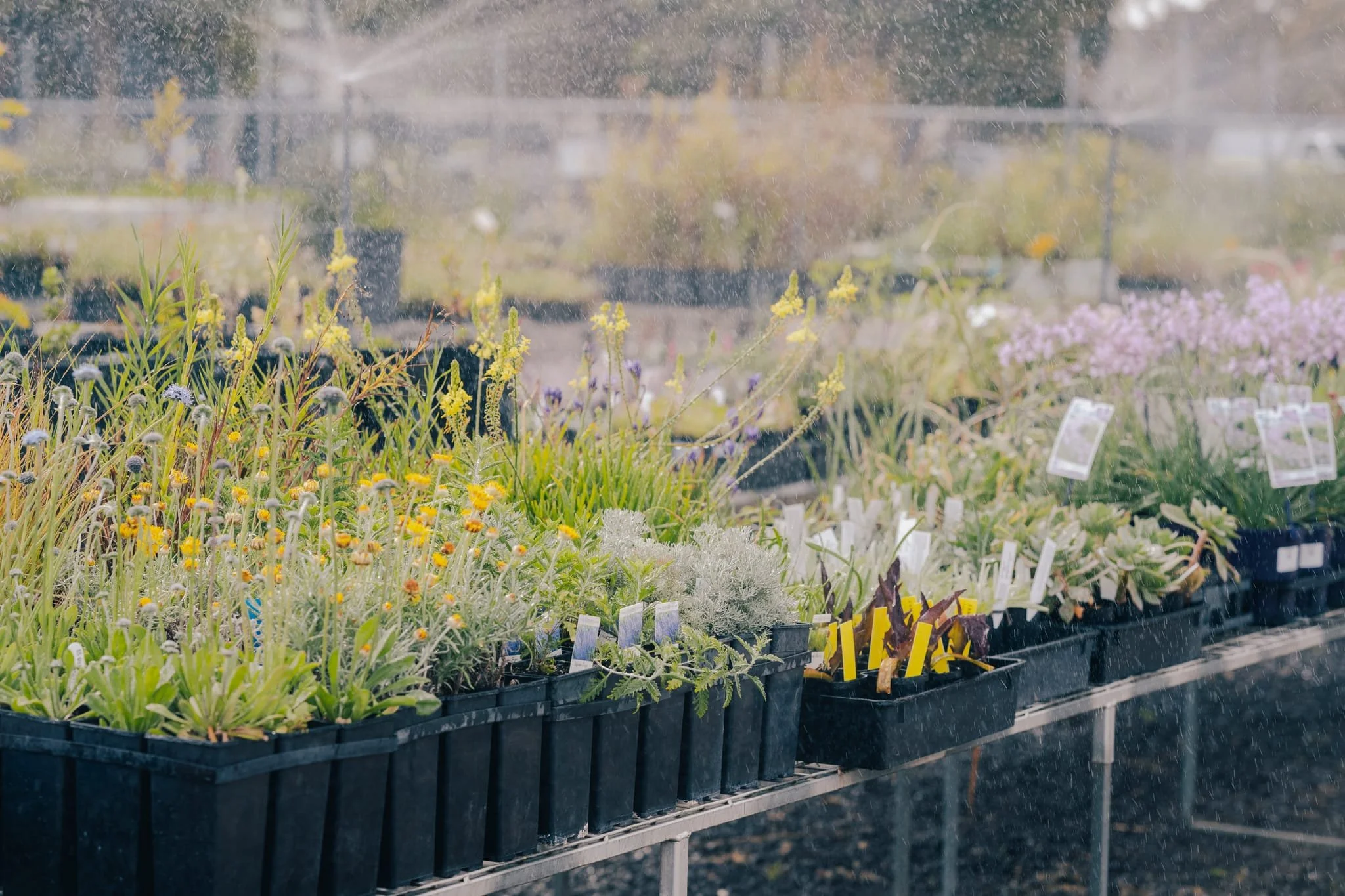
Conducted on a rooftop at Burnley Campus, the trials replicate the growing conditions anticipated at Laak Boorndap, including shallow substrates, minimal irrigation and exposure to dry conditions. This research is examining how different species and plant communities respond to these constraints, providing critical evidence to inform the planting design and species selection for the project.
The trials will help identify plant communities capable of delivering both ecological resilience and a rich, seasonal display, ensuring the landscape can perform successfully within Melbourne's increasingly variable climate.
Laak Boorndap demonstrates how beauty and resilience can work in harmony, creating a landscape that is abundant, biodiverse and capable of thriving under future climate conditions.
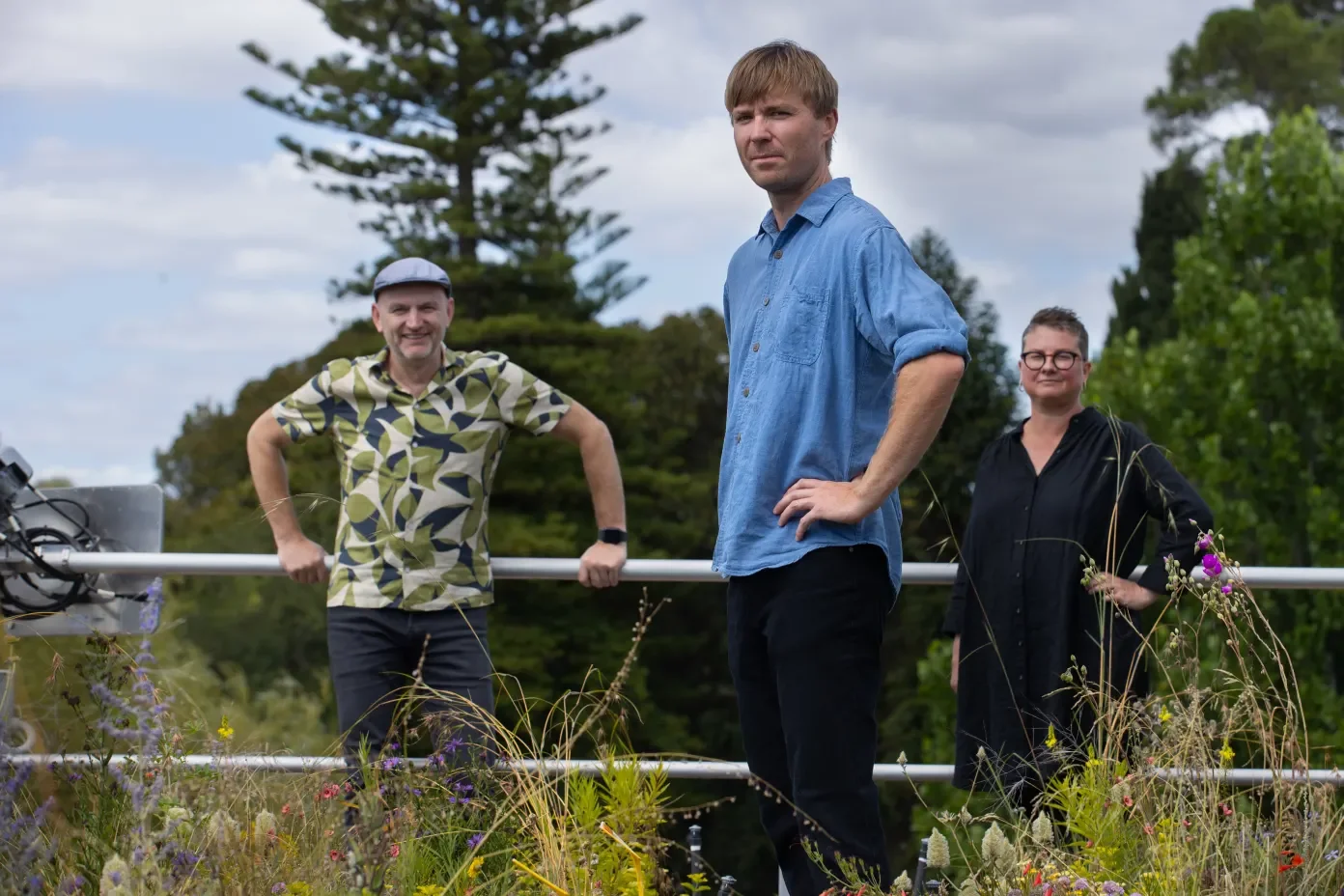
Image credit: Simon Schluter for The Age
‘It is a game-changer to have plant research embedded into the design of a major landscape project. The Plant Trials expand our existing knowledge of plants for green roofs and will help guide plant selection for 18,000 square metres of gardens in Laak Boorndap to ensure they are both resilient and beautiful.”
Claire Farrell, Associate Professor in Green Infrastructure, University of Melbourne
CULTIVATED VALUE
Foundational Contribution to the Plant Trials Program

Super Bloom has been a major contributor to the Plant Trials in collaboration with the University of Melbourne, Hassell, Nigel Dunnett and James Hitchmough at the Burnley Campus, helping shape the trials as both a scientific and design-led exploration of resilient planting systems.
Bridging Science, Ecology & Planting Design
As horticultural practitioners embedded alongside the scientific and plant ecology teams, Super Bloom played a critical role in translating trial outcomes into practical planting design applications, creating a direct connection between research findings and real-world landscape implementation.
Validation of Resilient & Innovative Planting Approaches
The Plant Trials demonstrated the strength, resilience and quality of the proposed planting palettes and design methodologies, reinforcing the effectiveness of the broader landscape vision and supporting confidence in the long-term success of Laak Boorndap.
Expanded Project Value Through Demonstration & Knowledge Sharing
Super Bloom extended the research project by developing demonstration gardens and supporting management processes that informed the preparedness and long-term maintenance strategies for both the Test Garden and Laak Boorndap, adding significant operational and educational value.
Leadership, Advocacy & Industry Influence
Through media contributions, stakeholder tours, public engagement and ongoing advocacy, Super Bloom helped amplify the influence of the Plant Trials while challenging conventional assumptions around planting design and horticultural practice. Our ambitious and innovative approach expanded understandings of what is possible within contemporary public landscape planting.

PLANNING FOR THE FUTURE
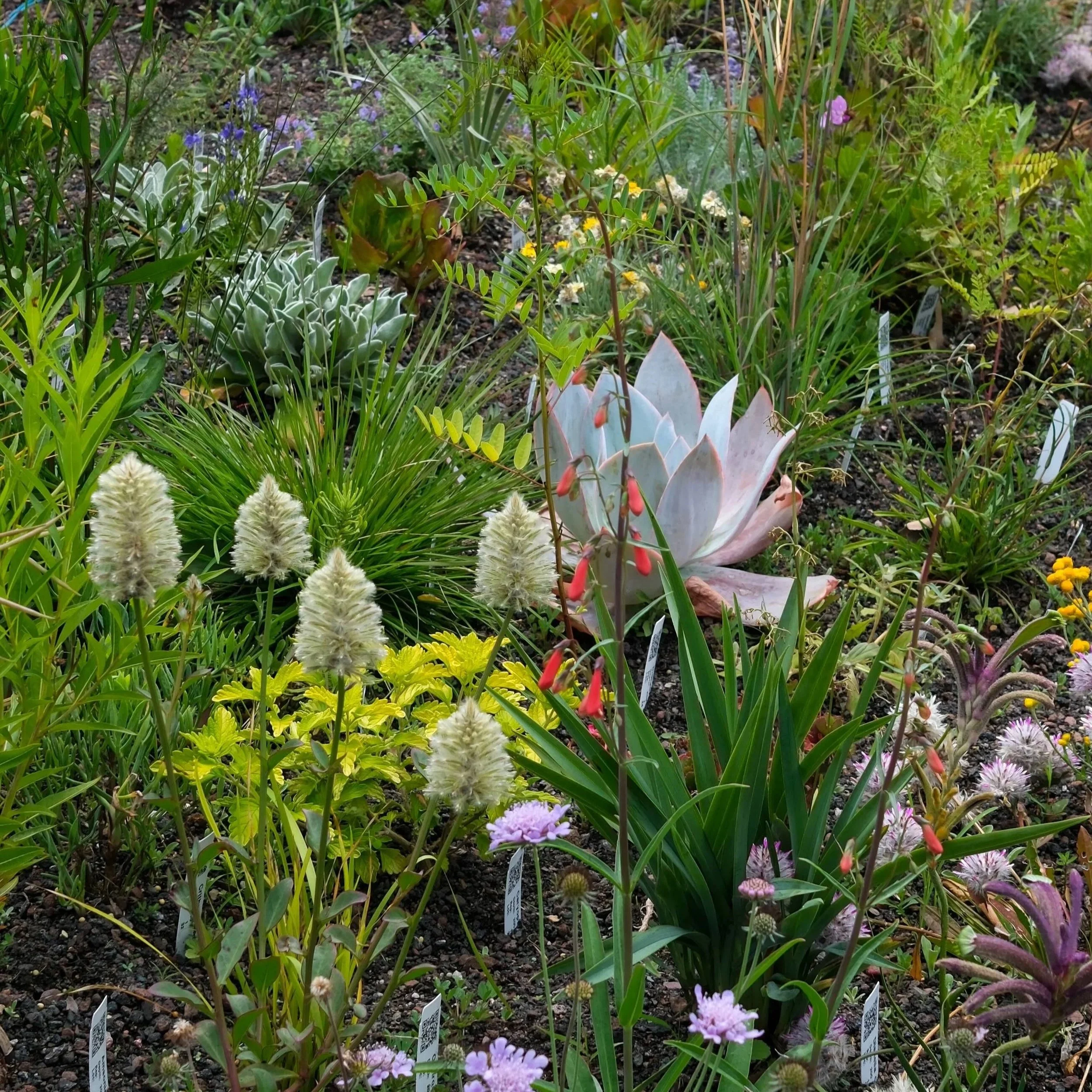
The trials are evaluating more than 1,000 plants across 125 species. Advanced imaging technologies, including drone imagery and 3D point-cloud modelling, are being used to track plant development, while on-site sensors monitor environmental conditions such as rainfall, temperature, solar radiation and soil moisture.
Research findings will be shared throughout the project via public programs, talks and publications, helping to build knowledge around climate-resilient planting in urban environments.
The insights generated will contribute to a broader understanding of how urban landscapes can be designed to thrive under future climate conditions.
PLANTING TRIALS: THE FIRST OF THEIR KIND
CHANGING THE WAY WE THINK ABOUT PLANTING DESIGN
Findings from the trials are being integrated into the planting design for Laak Boorndap in real time, providing the design team with evidence-based insights to refine plant selection and respond to plant performance as the project evolves.
Beyond informing the development of Laak Boorndap, the research will be made publicly available, enabling designers, practitioners and community members to apply these learnings within their own landscapes, from backyards and balconies to rooftops and public spaces. The project aims to contribute to a broader understanding of climate-resilient planting and help shape the future of urban landscapes in a changing climate.
BEAUTY AND RESILIENCE
Laak Boorndap's planting design is distinguished by its highly diverse, high-density planting communities, creating a landscape that is both immersive and ecologically rich. The planting scheme is inherently complex, requiring species capable of performing across a range of environmental conditions.
The garden will be constructed on an elevated structure with characteristics similar to a rooftop environment, where plants will be exposed to shallow substrates, limited irrigation, high solar exposure and elevated temperatures. The trials are examining how these conditions influence plant establishment, growth and long-term performance, while also assessing how different species interact within densely planted communities.
The research is helping to identify plant communities that can deliver both visual abundance and ecological resilience, demonstrating how ambitious planting design can thrive in challenging urban environments.

MORE FROM THE PLANT TRIALS
PLANT TRIALS COLLABORATIVE PARTNERS
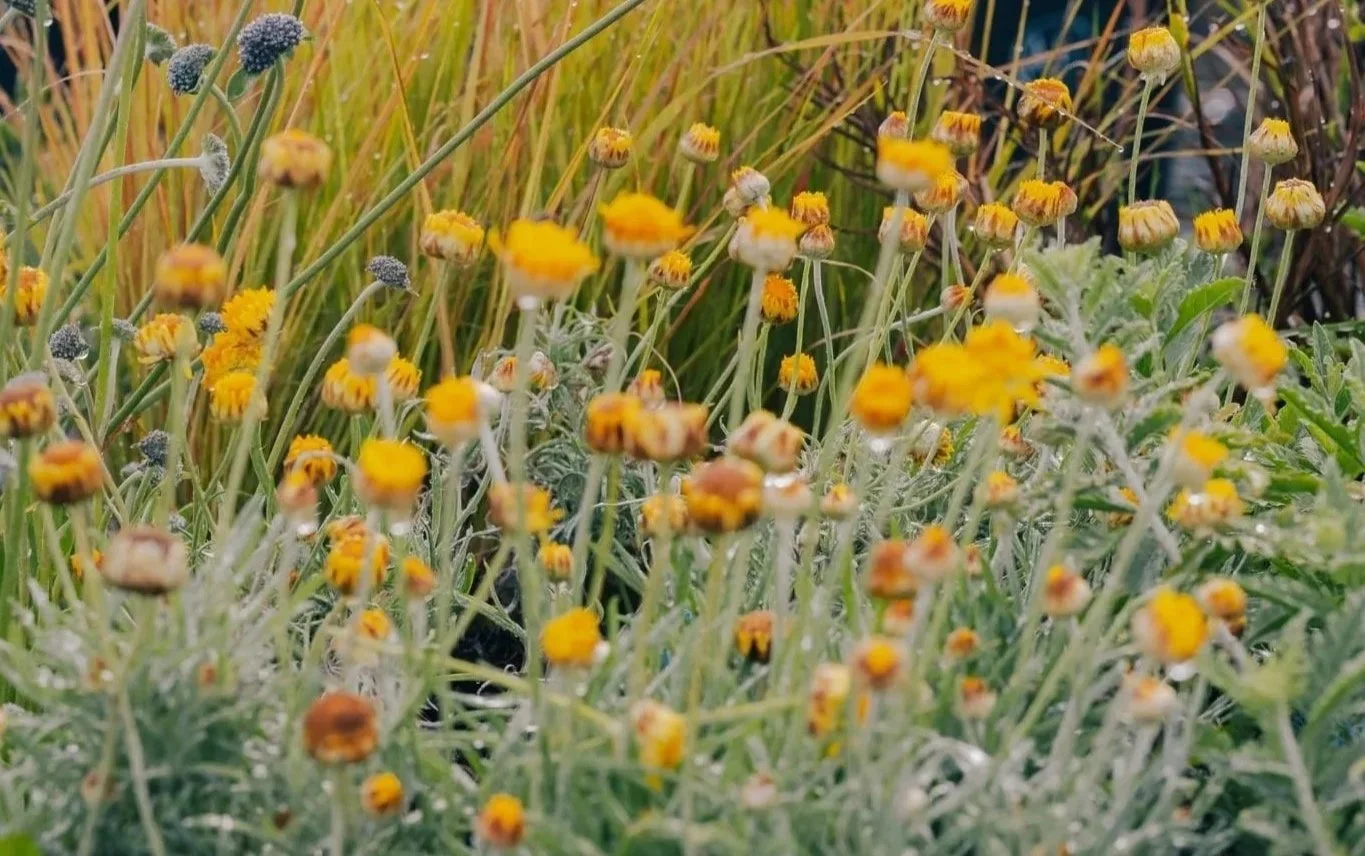
The plant trials are a partnership between The University of Melbourne (Burnley Campus), MAP Co, Development Victoria, design practice Hassell, Super Bloom and international horticulturalists James Hitchmough and Nigel Dunnett.
EXPERIENCE THE PLANT TRIALS
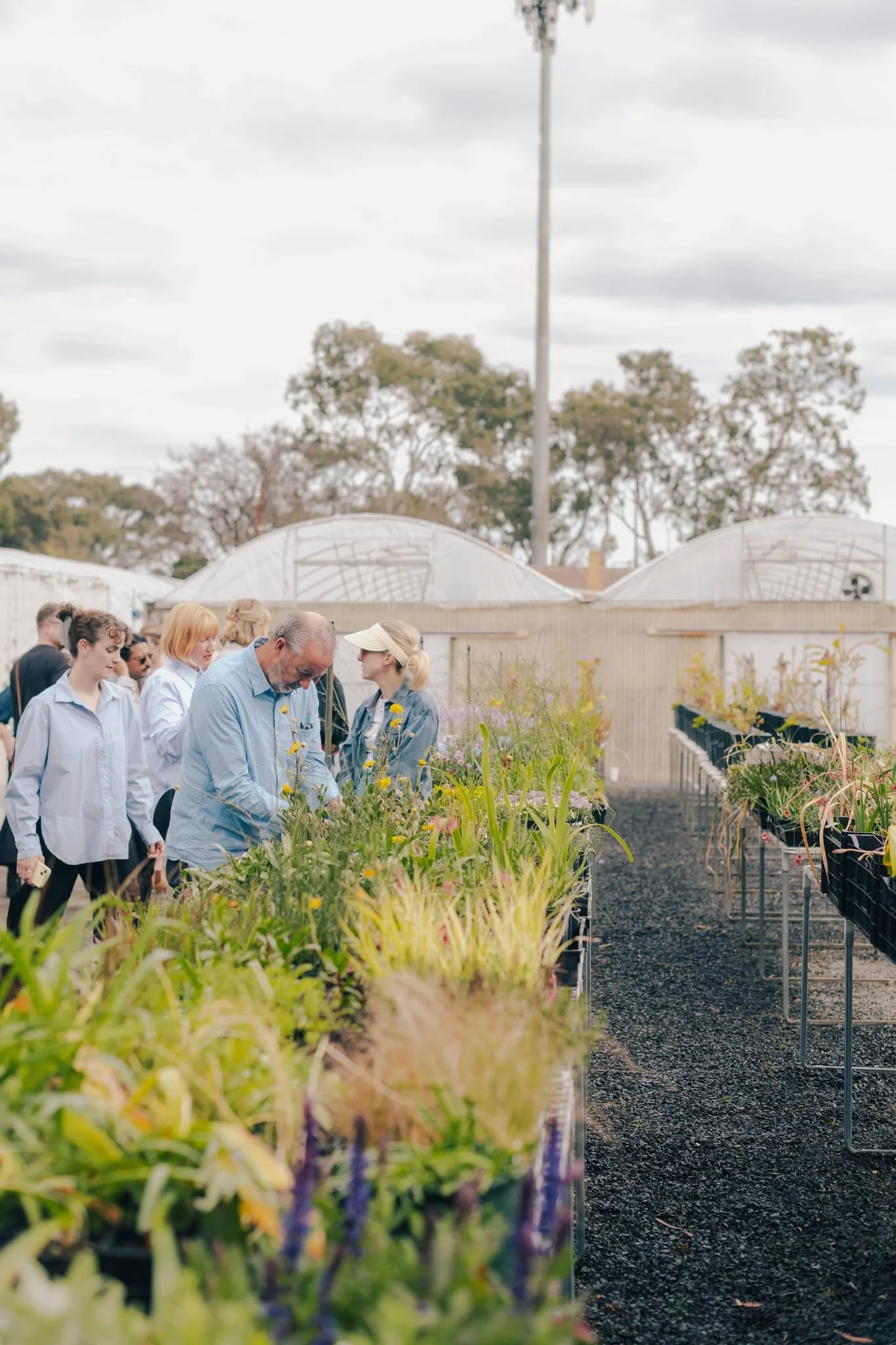
The findings from the plant trials can be viewed at Melbourne’s Federation Square at the Test Garden, where community can hear from the researchers and designers on their findings.
WILD AT HEART
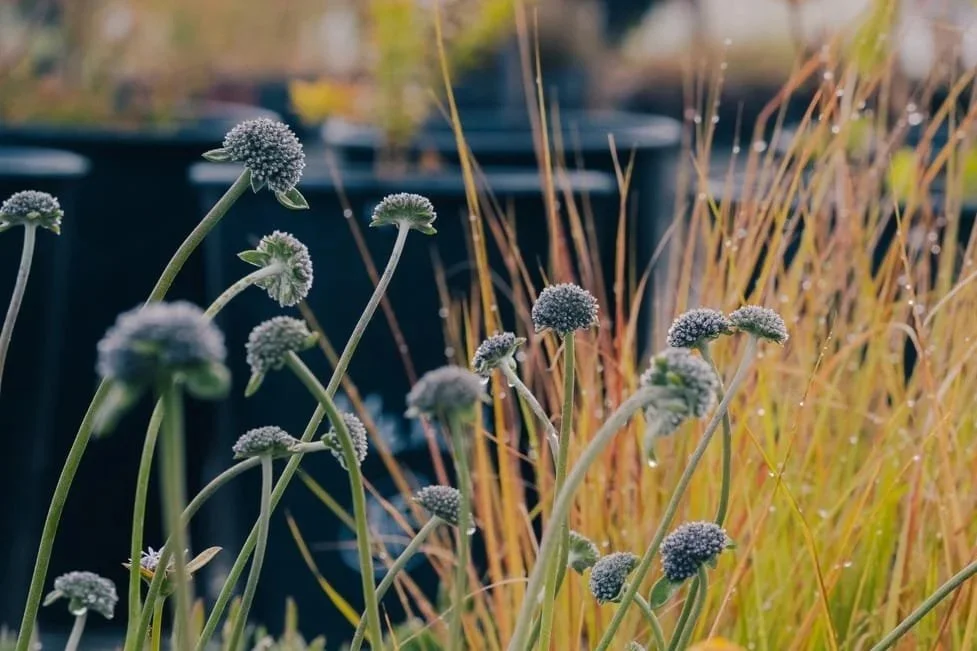
Laak Boondap was featured in The Age with a story ‘Wild At Heart’ by Megan Backhouse which goes into generous detail about the development and how it is being cultivated.