
HERITAGE FOOD GARDEN
AUSTRALIAN INLAND BOTANIC GARDEN
NATURE: Medium public realm, institution
SCOPE: Project lead, Planting design
TIMELINE: In progress
DESIGN PARTNERS: Taylor, Cullity and Lethlean, Australian Inland Botanic Garden.
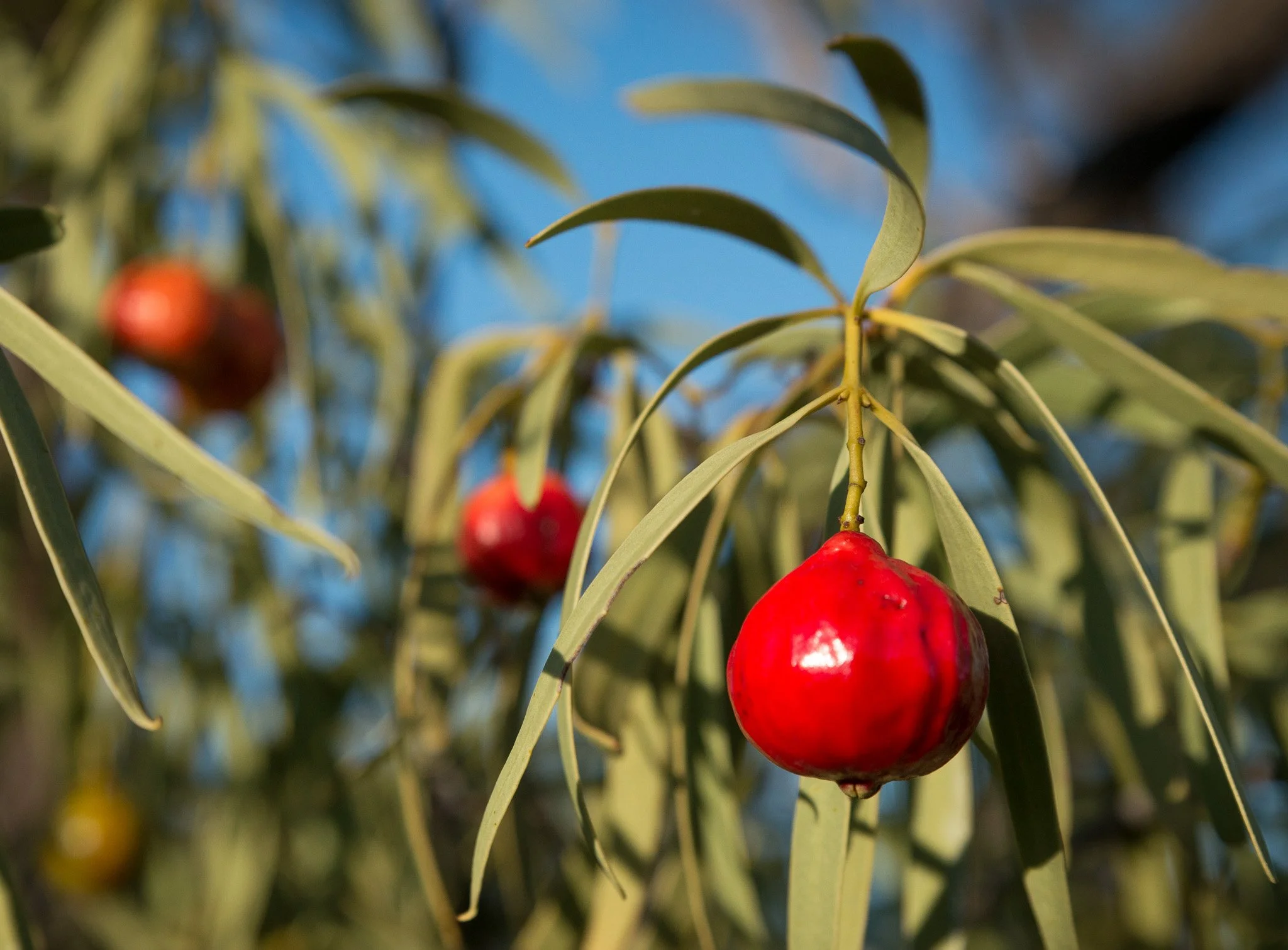
Super Bloom collaborated with the Australian Inland Botanic Gardens to develop a vision for a heritage food garden shaped by the realities of an extreme inland climate. Working within conditions defined by intense heat, prolonged dryness, and limited maintenance resources, the project explored what a productive and culturally meaningful food garden could become when designed specifically for place.
Rather than applying conventional models of edible gardening, Super Bloom reframed the opportunity through a climate responsive lens. Drawing on deep knowledge of dry summer planting, the design considered how local indigenous species, Mediterranean plants, and resilient introduced varieties could coexist to create a garden that was both productive and ecologically grounded.
The project brought together expertise in edible and medicinal planting with a broader creative vision, transforming the idea of a heritage food garden into something contextual, adaptive, and regionally specific. By understanding the brevity and behaviour of plants within harsh climatic conditions, Super Bloom was able to propose a planting approach that balanced beauty, resilience, and long-term viability.
A key consideration throughout the project was resource sensitivity. With limited budget and low ongoing management capacity, the design prioritised hardy species, pragmatic systems, and low-input management strategies. The result was a framework for a food garden that could thrive with minimal intervention while still offering richness, diversity, and public value.
CULTIVATED VALUE
Specialist Expertise in Dry Climate Landscapes
Super Bloom brought extensive knowledge and experience in dry summer climate planting systems to the Heritage Food Garden at the Australian Inland Botanic Gardens, helping shape a resilient and context-responsive garden suited to extremely hot and arid conditions.
Reimagining the Food Garden for Climate & Place
Super Bloom contributed a creative re-visioning of what a heritage food garden could be within this environment, exploring local, Indigenous and Mediterranean plant species to create a garden that was both productive and deeply connected to its landscape and climate context.
Deep Plant Knowledge Across Species
Drawing on broad horticultural expertise, Super Bloom provided specialist understanding of edible, medicinal, native and introduced plant species, helping develop a rich and layered planting approach tailored to the site’s environmental conditions and cultural potential.
Creative Wonder Through Contextual Design Thinking
Super Bloom brought an imaginative and artful approach to the project, reframing traditional ideas of food gardens and demonstrating how planting design could create beauty, curiosity and engagement while remaining practical and climate-responsive.
Resource-Savvy & Low-MaNAGEMENT Delivery
Working within limited budgets and management resources, Super Bloom developed pragmatic and achievable planting strategies that minimised long-term management demands while still delivering a highly functional, resilient and impactful garden outcome.